Introduction
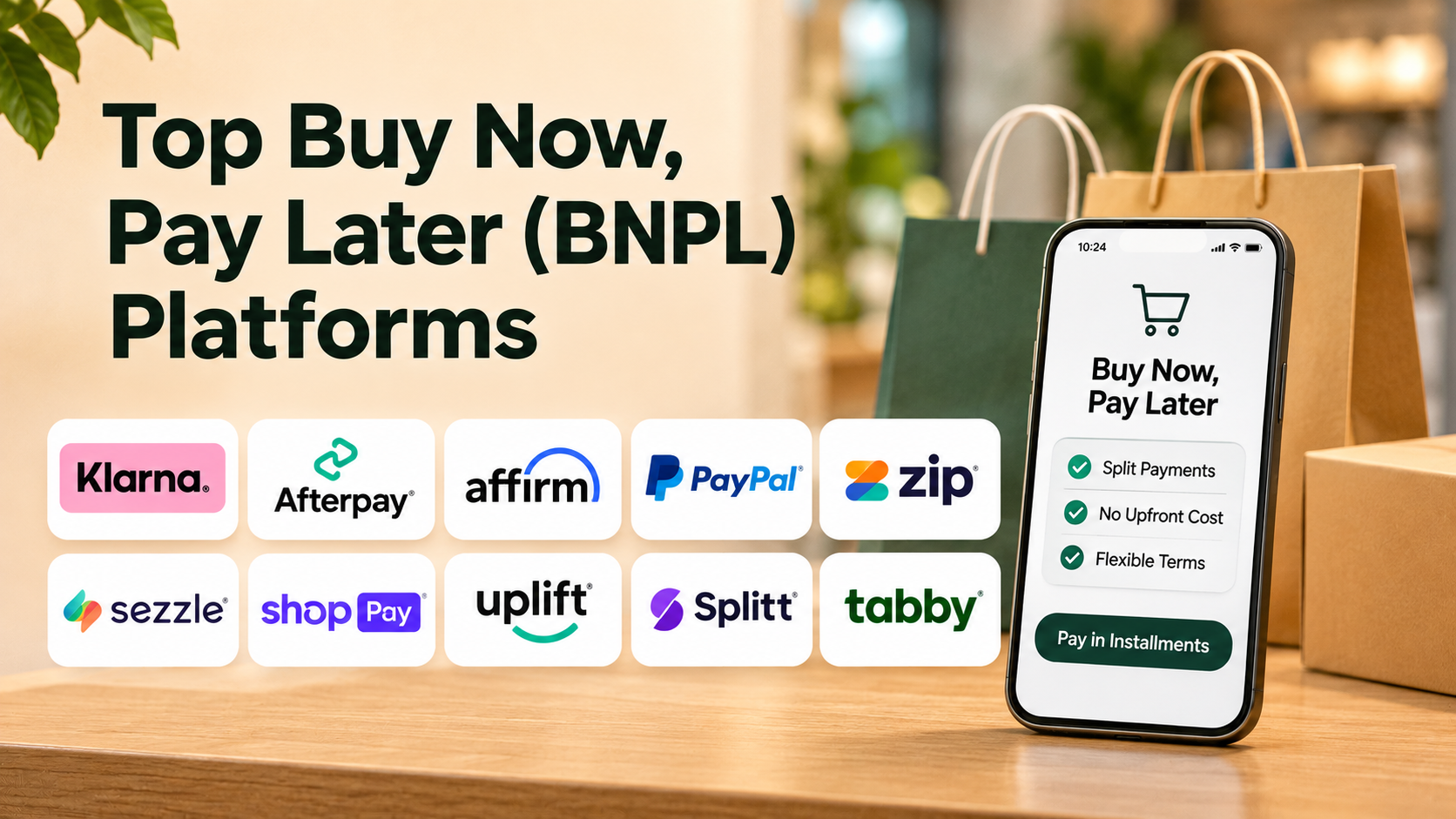
Buy Now, Pay Later (BNPL) platforms enable customers to purchase products and services while spreading payments across scheduled installments. These platforms integrate financing options into online stores, mobile applications, marketplaces, and physical retail environments.
Businesses use BNPL solutions to provide greater payment flexibility and reduce friction during checkout. However, their effectiveness depends on customer eligibility, transaction costs, responsible lending practices, and repayment conditions.
Modern BNPL platforms combine payment processing, credit assessment, merchant settlement, fraud prevention, and repayment management. These capabilities help retailers offer installment-based payment experiences without independently developing lending infrastructure.
Consumers may benefit from predictable payment schedules and greater flexibility when managing planned purchases. Nevertheless, missed payments, excessive borrowing, and financing charges can create financial difficulties.
Selecting an appropriate BNPL platform requires evaluating geographic coverage, merchant fees, integration capabilities, regulatory obligations, and customer protection mechanisms. Businesses must also consider whether installment financing supports their long-term commercial objectives.
This comprehensive guide examines ten established BNPL platforms, their features, advantages, limitations, applications, and implementation requirements. It also provides comparison tables, practical examples, selection recommendations, and frequently asked questions.
What Are BNPL Platforms?
BNPL platforms are financial technology solutions that allow eligible customers to defer or divide purchase payments into installments. Depending on the provider, customers may receive short-term installment arrangements or longer-term financing.
These platforms connect merchants, consumers, payment processors, and financing institutions through integrated digital infrastructure. They typically manage eligibility assessment, payment scheduling, transaction authorization, and repayment collection.
Unlike traditional credit cards, many BNPL products provide financing arrangements associated with individual purchases. However, certain providers also offer revolving credit, virtual cards, and longer-term lending products.
Merchants generally receive settlement according to their contractual arrangements with the provider. The BNPL provider or its financing partner subsequently manages customer repayment obligations.
BNPL solutions may operate through application programming interfaces (APIs), hosted checkout pages, e-commerce plugins, payment gateways, or point-of-sale integrations. Available deployment methods depend on the provider and merchant environment.
Responsible implementation requires transparent disclosures, appropriate affordability assessments, secure data handling, and effective customer support. BNPL financing should not be presented as free money or guaranteed credit.
How Do BNPL Platforms Work?
- Merchant onboarding: The retailer completes commercial, technical, and compliance verification.
- Checkout integration: BNPL becomes an available payment option within supported checkout environments.
- Customer selection: The customer selects an installment financing option.
- Identity verification: The provider collects and verifies necessary customer information.
- Eligibility assessment: Applicable risk and affordability checks determine available financing options.
- Payment disclosure: The customer reviews installment schedules, fees, and contractual obligations.
- Transaction authorization: Approved financing arrangements enable purchase completion.
- Merchant settlement: The provider settles eligible transactions under agreed commercial terms.
- Repayment collection: Scheduled installments are collected through supported payment methods.
- Refund management: Returns and cancellations are reconciled against financing balances.
- Risk monitoring: Providers monitor suspicious activity, repayment performance, and transaction anomalies.
- Reporting: Merchants review payment performance, settlement records, and operational metrics.
Traditional Payment Systems vs. BNPL Platforms
| Comparison Factor | Traditional Payments | BNPL Platforms |
|---|---|---|
| Payment timing | Usually immediate | Scheduled installments |
| Financing | Separate or unavailable | Integrated into checkout |
| Customer assessment | Payment authorization | Financing eligibility assessment |
| Merchant settlement | Processor-dependent | Provider-contract dependent |
| Repayment | Generally single payment | Multiple scheduled payments |
| Credit exposure | Payment-method dependent | Financing-model dependent |
| Integration | Payment gateway | Financing and payment integration |
| Customer disclosures | Standard payment terms | Additional financing disclosures |
| Refund processing | Payment reversal | Financing balance adjustment |
| Regulatory considerations | Payment regulations | Payment and credit regulations |
| Reporting | Transaction analytics | Transaction and financing analytics |
| Customer experience | Conventional checkout | Flexible payment selection |
Applications of BNPL Platforms
- Online retail installment payments.
- Fashion and apparel financing.
- Consumer electronics purchases.
- Furniture and home improvement transactions.
- Marketplace payment flexibility.
- Mobile commerce financing.
- Omnichannel retail payments.
- Travel purchases where supported.
- Automotive accessory purchases.
- Subscription-related purchases where permitted.
- Educational product financing where eligible.
- Cross-border commerce within supported jurisdictions.
Core Components of BNPL Platforms
| Component | Primary Function |
|---|---|
| Checkout interface | Displays financing options |
| Merchant dashboard | Manages merchant operations |
| Identity verification | Validates customer information |
| Eligibility engine | Evaluates financing applications |
| Fraud detection | Identifies suspicious transactions |
| Financing engine | Determines available payment plans |
| Payment scheduler | Establishes repayment dates |
| Settlement system | Processes merchant payments |
| Repayment processor | Collects customer installments |
| Notification engine | Communicates payment obligations |
| Refund management | Adjusts financing balances |
| Reporting module | Provides operational analytics |
| Compliance controls | Supports applicable obligations |
| API gateway | Connects external applications |
| Dispute management | Handles transaction disagreements |
Types of BNPL Platforms
Short-Term Installment Platforms
These platforms divide eligible purchases into a small number of scheduled payments. Interest-free arrangements may be available, although fees and eligibility requirements vary.
Long-Term Financing Platforms
Long-term financing solutions support repayment periods extending over several months or longer. Interest charges may apply depending on the financing agreement.
Card-Linked Installment Platforms
Card-linked solutions use existing payment cards to facilitate installment arrangements. Their authorization requirements and available credit conditions differ from conventional BNPL lending models.
Regional BNPL Platforms
Regional providers specialize in particular countries or geographic markets. Their products often reflect local payment preferences, lending requirements, and merchant ecosystems.
Enterprise Payment Ecosystems
Some payment companies incorporate BNPL capabilities within broader merchant payment services. These solutions can simplify payment management for businesses already using the corresponding ecosystem.
Key Capabilities of BNPL Platforms
- Embedded installment financing.
- Automated eligibility assessment.
- Customer identity verification.
- Configurable payment schedules.
- Merchant settlement management.
- Transaction fraud prevention.
- Checkout customization.
- Payment reminders.
- Refund and cancellation processing.
- Merchant performance analytics.
- API-based integration.
- Compliance and disclosure management.
BNPL Architecture and Integration
| Architecture Layer | Integration Purpose |
|---|---|
| Customer interface | Displays financing choices |
| Commerce platform | Supplies cart and order information |
| BNPL API | Exchanges transaction information |
| Identity services | Supports customer verification |
| Risk engine | Evaluates financing eligibility |
| Financing infrastructure | Establishes repayment obligations |
| Payment processor | Handles financial transactions |
| Merchant accounting | Reconciles settlement records |
| Notification services | Sends customer communications |
| Analytics platform | Measures operational performance |
| Security infrastructure | Protects financial information |
| Compliance systems | Maintains appropriate records |
Top 10 BNPL Platforms
The following platforms represent established installment financing and merchant payment solutions across different markets. Their inclusion is not an absolute ranking, and regional availability, financing terms, and commercial conditions should be verified before implementation.
1. Klarna
Short Description
Klarna is a financial technology platform offering flexible payment options for consumers and merchants. Its services include installment payments and other financing arrangements in supported markets.
Retailers integrate Klarna into digital checkout environments to present alternative payment options. Customers can review available arrangements before completing eligible purchases.
The platform supports merchant payment management and consumer-facing shopping experiences. Its ecosystem extends beyond conventional installment financing into shopping-related services.
Klarna is relevant to businesses seeking established consumer recognition and international retail integrations. Available products differ according to geography and merchant eligibility.
Organizations should evaluate settlement conditions, financing disclosures, transaction fees, and customer support responsibilities. Approval and financing terms are not guaranteed for every customer.
How Klarna Works
- Connect the merchant checkout.
- Display eligible financing options.
- Collect customer application information.
- Perform eligibility and risk checks.
- Confirm the selected payment arrangement.
- Process merchant settlement.
- Manage customer repayments.
Key Features
- Installment payments: Divides eligible purchases into scheduled payments.
- Deferred payment options: Supports delayed payment where available.
- Longer-term financing: Offers selected extended financing arrangements.
- Checkout integration: Embeds payment options into commerce applications.
- Merchant portal: Provides transaction management capabilities.
- Risk assessment: Evaluates customer and transaction eligibility.
- Fraud prevention: Supports suspicious transaction detection.
- Refund management: Handles eligible order adjustments.
- Shopping ecosystem: Connects consumers with participating retailers.
- Payment notifications: Communicates repayment information.
- Reporting: Provides merchant transaction insights.
- Omnichannel support: Enables selected online and physical retail integrations.
Benefits
- Greater checkout flexibility.
- Established consumer recognition.
- Reduced financing development requirements.
- Support for multiple payment arrangements.
- International retail opportunities.
- Centralized transaction management.
- Improved payment visibility.
- Streamlined refund workflows.
- Integrated customer communications.
- Potential checkout conversion improvements.
Pros
- Established merchant ecosystem.
- Multiple financing products.
- Broad retail applicability.
- Recognizable consumer brand.
- Commerce platform integrations.
- Merchant reporting capabilities.
- Consumer-facing applications.
- Support for selected omnichannel scenarios.
Cons
- Merchant fees require evaluation.
- Availability varies geographically.
- Customer approval is conditional.
- Financing terms may differ.
- Refund reconciliation can be complex.
- External provider dependency.
- Regulatory obligations require attention.
Use Cases
- Fashion retail.
- Electronics stores.
- Online marketplaces.
- Furniture retailers.
- Beauty commerce.
- Mobile shopping applications.
- Omnichannel retail.
- International e-commerce.
Industry Applications
- Retail.
- Consumer electronics.
- Fashion.
- Home furnishings.
- Beauty and personal care.
Integration and Deployment
Klarna supports merchant integrations through APIs, payment partners, and compatible commerce platforms. Implementation requirements depend on the selected products and merchant infrastructure.
Businesses should test checkout behavior, refunds, order cancellations, and settlement reconciliation. Financing disclosures must accurately reflect the products available to customers.
Pricing
Merchant pricing depends on market, transaction arrangements, and commercial agreements. Businesses should request current pricing directly from Klarna.
Best For
- International retailers.
- Established e-commerce businesses.
- Fashion brands.
- Omnichannel merchants.
- Consumer-focused marketplaces.
- High-volume retailers.
- Businesses seeking recognizable payment options.
- Merchants requiring multiple financing arrangements.
Overall Assessment
Klarna provides a broad payment ecosystem suitable for retailers seeking flexible consumer financing. Its established merchant integrations make it a relevant option for businesses operating in supported markets.
Organizations should evaluate total transaction costs and customer outcomes rather than relying exclusively on potential sales improvements. Geographic product differences are particularly important during implementation.
2. Affirm
Short Description
Affirm provides installment financing solutions for eligible consumer purchases. Its platform supports short-term payment arrangements and longer-term financing products.
The company integrates financing into merchant checkout environments. Customers receive available repayment options based on applicable eligibility assessments.
Affirm is particularly relevant to retailers selling products with higher purchase values. Its financing arrangements can help customers distribute planned expenses over longer periods.
Merchant integrations support online commerce and selected physical retail experiences. Available payment plans depend on the merchant, purchase, customer, and jurisdiction.
Businesses should evaluate interest disclosures, settlement terms, customer eligibility, and integration requirements. Not every financing arrangement is interest-free.
How Affirm Works
- Integrate merchant payment infrastructure.
- Present available financing options.
- Collect customer information.
- Evaluate financing eligibility.
- Display repayment terms.
- Authorize eligible purchases.
- Manage scheduled repayments.
Key Features
- Installment financing: Supports scheduled purchase repayments.
- Extended payment plans: Provides eligible longer-term arrangements.
- Checkout integration: Connects financing with merchant stores.
- Eligibility assessment: Evaluates customer applications.
- Transparent schedules: Displays applicable repayment obligations.
- Merchant dashboard: Supports transaction administration.
- Prequalification: Enables selected preliminary eligibility experiences.
- Refund processing: Adjusts eligible financing transactions.
- Risk management: Supports financing risk controls.
- Commerce integrations: Connects supported retail platforms.
- Reporting: Provides merchant performance information.
- Payment servicing: Manages customer repayment workflows.
Benefits
- Flexible purchase financing.
- Support for higher-value transactions.
- Predictable repayment schedules.
- Reduced merchant lending infrastructure.
- Integrated checkout experiences.
- Potential conversion improvements.
- Simplified financing administration.
- Customer payment visibility.
- Merchant reporting.
- Multiple financing configurations.
Pros
- Established financing platform.
- Extended repayment options.
- Clear payment schedules.
- Relevant retail integrations.
- Suitable for expensive purchases.
- Merchant administration tools.
- Consumer-facing payment management.
- Multiple financing products.
Cons
- Interest may apply.
- Eligibility restrictions.
- Geographic limitations.
- Merchant transaction costs.
- Integration requirements.
- Dependence on external underwriting.
- Potential customer overextension.
Use Cases
- Furniture purchases.
- Consumer electronics.
- Home appliances.
- Fitness equipment.
- Fashion products.
- Automotive accessories.
- Online retail.
- Selected travel purchases.
Industry Applications
- Electronics.
- Home furnishings.
- Fitness.
- Retail.
- Travel.
Integration and Deployment
Affirm integrates with supported commerce platforms and merchant payment systems. Businesses should validate product eligibility and financing presentation during implementation.
Testing should cover authorization, capture, cancellations, partial refunds, and reconciliation. Merchant teams must understand applicable advertising and disclosure requirements.
Pricing
Commercial pricing varies according to merchant agreements and financing programs. Current transaction charges and settlement conditions require direct confirmation.
Best For
- Higher-value retailers.
- Electronics merchants.
- Furniture stores.
- Established online businesses.
- Merchants offering extended financing.
- Consumer appliance retailers.
- Fitness equipment businesses.
- Retailers prioritizing transparent repayment schedules.
Overall Assessment
Affirm is a relevant financing platform for merchants seeking installment arrangements across different purchase values. Its extended financing options distinguish it from providers focused primarily on short repayment periods.
Businesses must assess the affordability and suitability of available plans for their customers. Financing costs and eligibility conditions should remain clearly communicated.
3. Afterpay
Short Description
Afterpay is a BNPL platform associated with Block’s payment ecosystem. It provides short-term installment payment options in supported markets.
The platform enables eligible customers to divide purchases into scheduled payments. Its consumer-facing services are designed around convenient retail checkout experiences.
Afterpay is particularly relevant to fashion, beauty, lifestyle, and general retail businesses. Its merchant ecosystem includes digital commerce and selected physical retail environments.
Regional branding may differ, including Clearpay in certain markets. Available products, fees, and repayment conditions also vary by jurisdiction.
Merchants should evaluate commercial agreements and customer protection requirements before deployment. Short repayment periods do not eliminate the risk of missed payments or excessive borrowing.
How Afterpay Works
- Connect the merchant checkout.
- Display eligible installment options.
- Verify customer information.
- Assess transaction eligibility.
- Confirm the payment schedule.
- Complete the purchase.
- Manage scheduled installments.
Key Features
- Short-term installments: Divides eligible purchases into scheduled payments.
- Merchant integrations: Connects supported commerce platforms.
- Mobile shopping: Supports consumer-facing digital experiences.
- In-store payments: Enables selected physical retail scenarios.
- Eligibility checks: Evaluates purchase approval.
- Payment reminders: Communicates upcoming obligations.
- Merchant dashboard: Provides transaction management.
- Refund processing: Handles eligible order returns.
- Risk controls: Supports transaction assessment.
- Customer account management: Displays repayment information.
- Retail ecosystem: Connects participating merchants.
- Transaction reporting: Provides merchant payment records.
Benefits
- Convenient installment checkout.
- Recognizable retail payment brand.
- Potential reduction in checkout friction.
- Support for mobile commerce.
- Simplified merchant financing operations.
- Integrated repayment communications.
- Retail ecosystem participation.
- Customer payment flexibility.
- Streamlined transaction administration.
- Support for selected physical stores.
Pros
- Established consumer recognition.
- Short-term payment model.
- Retail-focused integrations.
- Mobile-friendly experience.
- Omnichannel capabilities in supported markets.
- Merchant administration tools.
- Integrated payment reminders.
- Broad lifestyle retail applicability.
Cons
- Regional availability differences.
- Merchant service charges.
- Conditional customer approval.
- Potential late-payment consequences.
- Limited suitability for some purchase values.
- Refund reconciliation requirements.
- Dependence on provider policies.
Use Cases
- Fashion checkout.
- Beauty retail.
- Footwear stores.
- Lifestyle products.
- Mobile shopping.
- Accessories retail.
- Physical store payments.
- Online promotional campaigns.
Industry Applications
- Fashion.
- Beauty.
- Lifestyle.
- Sporting goods.
- General retail.
Integration and Deployment
Afterpay supports integrations with compatible commerce platforms and selected payment infrastructure. Merchants should verify whether their preferred online and physical retail systems are supported.
Implementation should include testing installment presentation, transaction confirmation, returns, and customer communications. Regional branding and disclosure requirements must be respected.
Pricing
Merchant charges depend on commercial arrangements and market conditions. Businesses should obtain a current pricing proposal.
Best For
- Fashion retailers.
- Beauty brands.
- Lifestyle merchants.
- Mobile-first commerce businesses.
- Footwear retailers.
- Omnichannel stores.
- Short-term installment programs.
- Consumer-focused online stores.
Overall Assessment
Afterpay is well suited to retailers seeking established short-term installment payment experiences. Its consumer ecosystem and retail integrations support a variety of shopping scenarios.
Merchants should monitor incremental profitability and customer repayment outcomes. Installment financing should complement rather than replace responsible purchasing decisions.
4. PayPal Pay Later
Short Description
PayPal Pay Later provides eligible installment financing within the broader PayPal payment ecosystem. Available products may include short-term installment arrangements and longer-term financing.
Merchants using compatible PayPal integrations can present financing options to eligible customers. Product availability depends on geographic and commercial conditions.
The platform benefits from PayPal’s established consumer payment infrastructure. Customers may access financing through familiar payment experiences.
PayPal Pay Later can be particularly relevant to businesses already accepting PayPal payments. Existing integrations may reduce additional implementation complexity.
Merchants should confirm applicable settlement arrangements and financing-related responsibilities. Pay Later products and consumer charges differ between markets.
How PayPal Pay Later Works
- Configure supported PayPal checkout.
- Enable eligible Pay Later messaging.
- Present financing during checkout.
- Evaluate customer eligibility.
- Display repayment terms.
- Process the authorized transaction.
- Manage repayment through applicable PayPal services.
Key Features
- Integrated checkout: Connects financing with PayPal payments.
- Installment options: Supports eligible scheduled payment arrangements.
- Extended financing: Offers selected longer-term products.
- Pay Later messaging: Displays eligible financing information.
- Customer assessment: Evaluates financing applications.
- Merchant settlement: Processes payments under applicable terms.
- Payment security: Uses established payment infrastructure.
- Refund handling: Supports eligible transaction adjustments.
- Commerce plugins: Connects supported online stores.
- Mobile checkout: Supports digital shopping experiences.
- Transaction reporting: Provides merchant payment information.
- Customer account access: Displays applicable repayment details.
Benefits
- Familiar consumer payment experience.
- Potentially simpler existing integrations.
- Flexible financing options.
- Established payment infrastructure.
- Centralized payment administration.
- Reduced development requirements.
- Merchant transaction visibility.
- Mobile checkout support.
- International commerce opportunities.
- Integrated customer account management.
Pros
- Recognizable global payment brand.
- Existing merchant ecosystem.
- Multiple payment capabilities.
- Compatible commerce integrations.
- Established transaction infrastructure.
- Consumer account familiarity.
- Merchant reporting.
- Financing within broader payment services.
Cons
- Products vary by country.
- Customer eligibility restrictions.
- Dependence on PayPal infrastructure.
- Commercial terms require review.
- Interest may apply to certain products.
- Limited financing customization.
- Merchant account requirements.
Use Cases
- Existing PayPal checkout.
- Small business e-commerce.
- Online marketplaces.
- Mobile retail.
- Electronics purchases.
- Fashion commerce.
- Home products.
- International online stores.
Industry Applications
- E-commerce.
- Retail.
- Electronics.
- Fashion.
- Consumer goods.
Integration and Deployment
PayPal Pay Later can be implemented through compatible PayPal merchant products and commerce integrations. Existing merchants should confirm whether their account and checkout configuration support the relevant financing options.
Testing should verify financing messages, transaction completion, refunds, and settlement records. Customer-facing communications must reflect actual product availability.
Pricing
Applicable merchant fees depend on PayPal’s commercial terms and regional payment products. Businesses should verify current charges and any additional contractual conditions.
Best For
- Existing PayPal merchants.
- Small online businesses.
- International retailers.
- Mobile commerce businesses.
- Merchants seeking consolidated payments.
- Consumer goods stores.
- Businesses with limited development resources.
- Retailers using compatible commerce platforms.
Overall Assessment
PayPal Pay Later is a practical candidate for businesses already operating within PayPal’s payment ecosystem. Its integration approach can reduce the need for separate financing infrastructure.
Organizations should compare its available financing arrangements against specialized BNPL providers. Regional eligibility and merchant costs remain essential selection considerations.
5. Zip
Short Description
Zip is a financial technology company offering installment payment and consumer financing services. Its available products differ across operating markets.
The platform enables eligible consumers to distribute purchase payments across scheduled arrangements. Certain products may operate through virtual cards or integrated merchant checkout.
Zip supports participating online retailers and selected physical retail environments. Its financing infrastructure manages customer eligibility and repayment workflows.
Businesses may consider Zip when targeting markets where its consumer services are established. Product structures should be evaluated individually rather than treated as universally identical.
Merchant agreements, consumer fees, and repayment conditions require careful review. Some financing products may differ substantially from conventional interest-free installment plans.
How Zip Works
- Establish merchant participation.
- Configure supported payment integration.
- Present eligible financing arrangements.
- Assess customer eligibility.
- Confirm applicable payment terms.
- Process purchase authorization.
- Manage customer repayment obligations.
Key Features
- Installment payments: Supports scheduled purchase repayments.
- Regional financing products: Provides market-specific arrangements.
- Merchant checkout: Integrates with participating retailers.
- Virtual payment capabilities: Supports selected card-based experiences.
- Eligibility assessment: Evaluates customer applications.
- Merchant reporting: Displays transaction information.
- Repayment scheduling: Establishes payment obligations.
- Customer notifications: Communicates payment information.
- Risk management: Supports transaction assessment.
- Refund processing: Handles eligible purchase adjustments.
- Mobile services: Provides consumer account access.
- Retail integrations: Connects supported commerce environments.
Benefits
- Flexible customer payment options.
- Regional market relevance.
- Support for digital commerce.
- Reduced merchant financing administration.
- Consumer account visibility.
- Integrated repayment scheduling.
- Potential checkout improvements.
- Transaction reporting.
- Support for participating retailers.
- Multiple payment experiences where available.
Pros
- Established financing provider.
- Market-specific product offerings.
- Consumer-facing mobile services.
- Merchant integration options.
- Transaction management capabilities.
- Flexible payment structures.
- Selected card-based capabilities.
- Relevant regional retail presence.
Cons
- Geographic restrictions.
- Consumer fees may apply.
- Product structures vary.
- Merchant costs require evaluation.
- Eligibility is conditional.
- External servicing dependency.
- Regulatory requirements differ.
Use Cases
- General retail.
- Online shopping.
- Fashion purchases.
- Home products.
- Electronics retail.
- Mobile commerce.
- Participating physical stores.
- Regional marketplaces.
Industry Applications
- Retail.
- Fashion.
- Electronics.
- Home furnishings.
- Lifestyle products.
Integration and Deployment
Zip offers merchant integration options that depend on the selected market and payment product. Businesses should confirm supported commerce platforms and settlement arrangements.
Deployment should include testing purchase authorization, repayment disclosures, and order adjustments. Merchant teams should also understand the responsibilities associated with customer support.
Pricing
Merchant pricing and consumer charges vary by product and market. Current commercial conditions should be obtained directly from Zip.
Best For
- Retailers in supported markets.
- Regional commerce businesses.
- Fashion stores.
- Lifestyle merchants.
- Mobile-first retailers.
- Consumer electronics businesses.
- Participating physical stores.
- Merchants seeking alternative financing options.
Overall Assessment
Zip offers flexible financing services that may be appropriate for merchants targeting its established consumer markets. Its regional product variations require careful commercial and technical evaluation.
Businesses should avoid assuming that every Zip product uses the same repayment structure. Selection should reflect actual customer terms and merchant requirements.
6. Sezzle
Short Description
Sezzle is a payment platform focused on installment-based consumer financing. It connects participating merchants with eligible customers seeking flexible payment arrangements.
The platform supports short-term installment options and additional services where available. Customer approval depends on applicable eligibility requirements.
Sezzle integrates with supported commerce platforms and digital retail environments. Its services are relevant to merchants seeking alternative checkout payment methods.
Consumer-facing account tools provide visibility into scheduled repayments. Certain optional products or services may involve additional charges.
Merchants should evaluate transaction fees, settlement conditions, and customer financing disclosures. Responsible implementation requires monitoring both commercial and consumer outcomes.
How Sezzle Works
- Connect the merchant store.
- Configure installment payment presentation.
- Collect customer information.
- Assess eligibility.
- Confirm the payment schedule.
- Complete eligible transactions.
- Manage customer repayments.
Key Features
- Installment financing: Divides eligible purchase payments.
- Commerce integration: Connects supported online stores.
- Eligibility assessment: Evaluates financing applications.
- Merchant dashboard: Supports transaction administration.
- Payment scheduling: Establishes repayment obligations.
- Customer notifications: Communicates upcoming payments.
- Mobile account tools: Displays repayment information.
- Refund handling: Adjusts eligible transactions.
- Risk controls: Supports financing assessments.
- Merchant reporting: Provides transaction records.
- Retail ecosystem: Connects participating businesses.
- Additional financing services: Supports selected market-specific products.
Benefits
- Flexible payment presentation.
- Convenient digital checkout.
- Reduced merchant lending complexity.
- Support for participating retailers.
- Customer repayment visibility.
- Integrated payment communications.
- Potential sales conversion improvements.
- Streamlined transaction management.
- Merchant performance insights.
- Alternative consumer payment options.
Pros
- Installment-focused platform.
- Commerce integration options.
- Consumer-facing account tools.
- Merchant reporting.
- Retail applicability.
- Integrated repayment workflows.
- Recognizable financing model.
- Suitable for selected smaller merchants.
Cons
- Geographic availability restrictions.
- Merchant transaction fees.
- Conditional customer eligibility.
- Certain services may involve fees.
- Provider-specific repayment policies.
- Refund administration requirements.
- Limited suitability for some purchase categories.
Use Cases
- Boutique retail.
- Fashion commerce.
- Beauty products.
- Lifestyle stores.
- Small business checkout.
- Mobile shopping.
- Accessories retail.
- Consumer goods purchases.
Industry Applications
- Fashion.
- Beauty.
- Retail.
- Lifestyle.
- Consumer goods.
Integration and Deployment
Sezzle supports merchant integrations with compatible commerce systems. Businesses should review available plugins, APIs, and account onboarding requirements.
Implementation testing should cover checkout messaging, transaction completion, refunds, and reconciliation. Customer communications should accurately describe repayment obligations and applicable fees.
Pricing
Merchant pricing depends on commercial agreements and supported markets. Optional consumer services may have separate charges.
Best For
- Boutique retailers.
- Small e-commerce businesses.
- Fashion merchants.
- Beauty brands.
- Lifestyle stores.
- Merchants offering short-term installments.
- Mobile commerce businesses.
- Retailers targeting supported consumer markets.
Overall Assessment
Sezzle provides installment financing capabilities suitable for various consumer retail scenarios. Its merchant integrations can help businesses introduce payment flexibility without developing independent lending systems.
Retailers should compare financing costs and customer outcomes with alternative providers. Product availability and optional service charges deserve particular attention.
7. Splitit
Short Description
Splitit provides card-linked installment payment infrastructure. Its approach generally uses eligible existing payment cards rather than relying exclusively on conventional new-loan BNPL arrangements.
Customers may divide purchases into installments using available credit on supported cards. Authorization requirements can affect the amount of credit available for other purchases.
The platform enables merchants to embed installment experiences into supported checkout environments. Its financing model differs from providers that independently originate consumer credit.
Splitit is relevant to merchants seeking alternative installment infrastructure for cardholders. Businesses should assess card eligibility and authorization behavior carefully.
Merchant funding arrangements and customer card terms may vary. Existing card interest charges and available credit limitations remain important consumer considerations.
How Splitit Works
- Integrate supported merchant infrastructure.
- Present card-linked installments.
- Collect eligible card information.
- Validate authorization requirements.
- Establish installment schedules.
- Process merchant funding arrangements.
- Manage scheduled card charges.
Key Features
- Card-linked installments: Uses eligible existing payment cards.
- Embedded checkout: Integrates installment presentation.
- Authorization management: Supports required card authorizations.
- Payment scheduling: Establishes installment charges.
- Merchant funding options: Supports applicable settlement arrangements.
- API integration: Connects merchant applications.
- Refund processing: Handles eligible transaction adjustments.
- Transaction reporting: Provides payment records.
- Customer notifications: Communicates installment information.
- White-label capabilities: Supports selected merchant-branded experiences.
- Payment partner integrations: Connects compatible infrastructure.
- Card eligibility controls: Evaluates supported payment conditions.
Benefits
- Uses existing eligible credit relationships.
- Alternative installment architecture.
- Merchant-branded payment opportunities.
- Flexible checkout integration.
- Reduced need for conventional new-loan applications in applicable scenarios.
- Support for higher-value purchases.
- Integrated payment scheduling.
- Merchant transaction visibility.
- Potential checkout improvements.
- Compatibility with selected payment ecosystems.
Pros
- Distinct card-linked financing model.
- Embedded payment capabilities.
- White-label opportunities.
- API-based integrations.
- Suitable for eligible cardholders.
- Merchant funding options.
- Scheduled payment management.
- Relevant higher-value retail applications.
Cons
- Requires eligible payment cards.
- Available credit restrictions.
- Authorization holds may affect spending capacity.
- Existing card interest may apply.
- Merchant integration complexity.
- Product availability limitations.
- Settlement arrangements require evaluation.
Use Cases
- Furniture financing.
- Electronics purchases.
- Luxury retail.
- Home appliances.
- Direct-to-consumer commerce.
- Merchant-branded installments.
- Higher-value online transactions.
- Payment provider integrations.
Industry Applications
- Furniture.
- Electronics.
- Luxury goods.
- Home appliances.
- Consumer retail.
Integration and Deployment
Splitit supports embedded installment integrations through compatible merchant and payment infrastructure. Technical teams should validate authorization behavior and card eligibility before production deployment.
Businesses must explain how installment authorizations may affect customers’ available credit. Refund and settlement workflows should also receive comprehensive testing.
Pricing
Commercial pricing depends on merchant arrangements, funding models, and implementation requirements. Businesses should obtain a tailored proposal.
Best For
- Higher-value retailers.
- Card-focused merchants.
- Furniture businesses.
- Electronics stores.
- White-label payment programs.
- Payment service providers.
- Direct-to-consumer brands.
- Businesses seeking card-linked installments.
Overall Assessment
Splitit offers a differentiated installment model based on eligible existing payment cards. It is particularly relevant when merchants want financing experiences that leverage established card relationships.
Its authorization requirements make it unsuitable for some customers with limited available credit. Merchants should communicate these limitations clearly and compare funding costs carefully.
8. Tabby
Short Description
Tabby is a financial technology platform offering flexible payment services in selected Middle Eastern markets. Its products include installment financing and related consumer payment capabilities.
Participating retailers integrate Tabby into supported checkout environments. Eligible customers can select available repayment arrangements when completing purchases.
The platform is relevant to businesses targeting regional consumer payment preferences. Its ecosystem includes online commerce and selected physical retail experiences.
Tabby’s products and merchant services depend on local market conditions. Businesses should confirm current availability and applicable regulatory requirements.
Organizations must evaluate merchant fees, customer disclosures, settlement conditions, and financing eligibility. Regional expertise does not remove the need for independent compliance assessment.
How Tabby Works
- Complete merchant onboarding.
- Integrate supported checkout services.
- Present available installment options.
- Assess customer eligibility.
- Confirm financing terms.
- Authorize eligible purchases.
- Manage scheduled repayments.
Key Features
- Installment payments: Supports eligible scheduled purchase repayments.
- Regional merchant integrations: Connects supported retailers.
- Online checkout: Embeds financing into digital commerce.
- In-store capabilities: Supports selected physical retail experiences.
- Eligibility assessment: Evaluates customer applications.
- Merchant reporting: Displays transaction information.
- Payment reminders: Communicates repayment obligations.
- Consumer application: Supports customer account management.
- Refund handling: Processes eligible purchase adjustments.
- Risk management: Supports financing controls.
- Retail ecosystem: Connects participating merchants.
- Localized services: Reflects supported regional market requirements.
Benefits
- Regional consumer recognition.
- Flexible checkout options.
- Support for participating Middle Eastern retailers.
- Localized payment experiences.
- Integrated repayment management.
- Potential checkout conversion improvements.
- Merchant transaction visibility.
- Support for selected physical stores.
- Reduced financing infrastructure requirements.
- Consumer account accessibility.
Pros
- Regional market specialization.
- Established merchant ecosystem.
- Localized payment experiences.
- Digital commerce integrations.
- Selected omnichannel support.
- Consumer-facing application.
- Merchant reporting.
- Installment-focused services.
Cons
- Geographic limitations.
- Merchant fees require assessment.
- Customer eligibility restrictions.
- Regional regulatory differences.
- Provider-specific financing terms.
- Refund reconciliation requirements.
- Limited relevance outside supported markets.
Use Cases
- Middle Eastern fashion retail.
- Electronics stores.
- Beauty commerce.
- Home furnishings.
- Regional marketplaces.
- Mobile shopping.
- Physical retail.
- Lifestyle products.
Industry Applications
- Fashion.
- Electronics.
- Beauty.
- Retail.
- Home furnishings.
Integration and Deployment
Tabby supports merchant integrations appropriate to its operating markets. Businesses should verify supported commerce platforms, currencies, and settlement arrangements.
Deployment should incorporate localized customer communications and applicable financing disclosures. Merchant teams must test returns, cancellations, and settlement reconciliation.
Pricing
Merchant pricing depends on regional commercial agreements. Businesses should request current transaction fees and contractual terms.
Best For
- Middle Eastern retailers.
- Regional marketplaces.
- Fashion merchants.
- Electronics stores.
- Beauty brands.
- Omnichannel businesses.
- Localized commerce applications.
- Retailers targeting supported Gulf markets.
Overall Assessment
Tabby is a relevant BNPL candidate for merchants operating in its supported regional markets. Its localized ecosystem can help businesses provide payment experiences aligned with consumer preferences.
Organizations should verify country-specific licensing, availability, and financing arrangements. Regional suitability should take precedence over global brand comparisons.
9. Tamara
Short Description
Tamara provides consumer financing and payment services across selected Gulf markets. Its platform enables participating merchants to offer flexible purchase payment arrangements.
Eligible customers can select available installment options during supported checkout experiences. Financing conditions depend on applicable products and customer assessments.
Tamara supports online commerce and selected physical retail scenarios. Its merchant ecosystem is particularly relevant to businesses serving regional consumers.
The platform combines financing infrastructure, merchant integrations, and customer-facing payment management. Product availability and commercial arrangements differ across jurisdictions.
Businesses should evaluate regulatory obligations, financing disclosures, and settlement conditions before implementation. Merchant teams must also understand customer support and refund responsibilities.
How Tamara Works
- Establish merchant participation.
- Configure checkout integration.
- Present eligible financing options.
- Collect customer information.
- Assess financing eligibility.
- Authorize approved purchases.
- Manage scheduled repayment obligations.
Key Features
- Installment financing: Supports eligible flexible payment arrangements.
- Merchant integration: Connects participating commerce systems.
- Regional payment services: Supports selected Gulf markets.
- Customer assessment: Evaluates financing applications.
- Payment scheduling: Establishes repayment dates.
- Merchant portal: Provides transaction administration.
- Customer notifications: Communicates financing information.
- Mobile services: Supports customer account access.
- Refund processing: Handles eligible order adjustments.
- Risk controls: Supports transaction assessment.
- Reporting: Provides merchant payment information.
- Omnichannel capabilities: Supports selected physical and digital retail scenarios.
Benefits
- Localized payment flexibility.
- Regional consumer accessibility.
- Reduced merchant financing development.
- Integrated digital checkout.
- Merchant transaction visibility.
- Streamlined repayment administration.
- Potential retail conversion improvements.
- Support for participating physical stores.
- Customer payment management.
- Regional commerce ecosystem participation.
Pros
- Gulf market specialization.
- Retail-focused services.
- Localized customer experiences.
- Merchant integration capabilities.
- Consumer-facing payment tools.
- Transaction reporting.
- Selected omnichannel support.
- Regional financing expertise.
Cons
- Limited geographic coverage.
- Merchant fees vary.
- Conditional customer approval.
- Regional regulatory requirements.
- Product-specific financing terms.
- External provider dependency.
- Refund and settlement complexity.
Use Cases
- Regional e-commerce.
- Fashion stores.
- Consumer electronics.
- Beauty retail.
- Furniture purchases.
- Mobile commerce.
- Physical retail.
- Regional marketplaces.
Industry Applications
- Retail.
- Fashion.
- Electronics.
- Beauty.
- Home products.
Integration and Deployment
Tamara supports merchant integrations based on available regional products and commerce infrastructure. Businesses should confirm supported currencies, payment configurations, and settlement schedules.
Implementation requires testing financing presentation, transaction processing, cancellations, and returns. Local consumer protection and disclosure requirements must be incorporated into checkout design.
Pricing
Merchant pricing is determined through applicable commercial agreements. Current transaction charges and settlement conditions require direct confirmation.
Best For
- Gulf-region merchants.
- Regional online stores.
- Fashion retailers.
- Electronics businesses.
- Beauty brands.
- Omnichannel retailers.
- Regional marketplaces.
- Businesses seeking localized installment financing.
Overall Assessment
Tamara is an important regional financing option for merchants serving supported Gulf markets. Its localized services can complement existing digital payment infrastructure.
Businesses should compare Tamara with other providers operating in the same jurisdictions. Merchant profitability, customer outcomes, and regulatory suitability should guide the final decision.
10. Atome
Short Description
Atome is a consumer financing and payment platform associated with selected Asian markets. Its services include installment payment arrangements and related financial products.
Participating merchants can offer flexible payment options through supported checkout integrations. Eligible customers review available repayment terms before completing purchases.
The platform is relevant to retailers targeting supported Asian consumer markets. Its merchant ecosystem includes online shopping and selected physical retail environments.
Atome’s products, financing structures, and geographic availability can vary over time. Businesses should verify current country-specific operations before implementation.
Merchant fees, consumer charges, and regulatory obligations require individual assessment. Financing should be offered transparently and without encouraging unnecessary purchases.
How Atome Works
- Complete merchant onboarding.
- Connect supported payment infrastructure.
- Display available installment options.
- Assess customer eligibility.
- Confirm repayment terms.
- Process eligible transactions.
- Manage scheduled repayments.
Key Features
- Installment payments: Supports eligible scheduled purchase repayments.
- Regional commerce integrations: Connects participating Asian retailers.
- Online checkout: Embeds financing into supported stores.
- Physical retail support: Enables selected in-store scenarios.
- Customer assessment: Evaluates financing eligibility.
- Mobile account management: Provides repayment visibility.
- Merchant reporting: Displays transaction information.
- Payment reminders: Communicates scheduled obligations.
- Refund handling: Supports eligible transaction adjustments.
- Risk management: Evaluates financing and transaction risks.
- Retail ecosystem: Connects participating merchants.
- Localized products: Supports market-specific financing arrangements.
Benefits
- Regional consumer payment flexibility.
- Support for participating Asian retailers.
- Integrated mobile commerce experiences.
- Reduced merchant financing administration.
- Localized payment presentation.
- Merchant transaction visibility.
- Potential checkout improvements.
- Customer repayment management.
- Selected physical retail integrations.
- Access to regional merchant ecosystems.
Pros
- Asian market specialization.
- Consumer-facing mobile services.
- Retail-focused integrations.
- Localized financing products.
- Merchant administration capabilities.
- Selected omnichannel support.
- Integrated repayment workflows.
- Relevant regional commerce applications.
Cons
- Country-specific availability.
- Merchant pricing requires confirmation.
- Customer eligibility restrictions.
- Product structures may differ.
- Consumer charges may apply.
- Regional compliance complexity.
- Dependence on provider operations.
Use Cases
- Asian e-commerce.
- Fashion retail.
- Beauty commerce.
- Electronics stores.
- Mobile shopping.
- Lifestyle products.
- Participating physical stores.
- Regional marketplaces.
Industry Applications
- Fashion.
- Beauty.
- Electronics.
- Retail.
- Lifestyle products.
Integration and Deployment
Atome supports merchant integrations appropriate to its available regional products. Businesses should verify current operating markets and compatible commerce systems.
Implementation should include localized financing disclosures and comprehensive transaction testing. Refund processing, merchant settlement, and customer support responsibilities must be documented.
Pricing
Merchant pricing depends on regional commercial agreements and product availability. Businesses should obtain current pricing directly from the provider.
Best For
- Retailers in supported Asian markets.
- Regional commerce businesses.
- Fashion merchants.
- Beauty brands.
- Mobile-first retailers.
- Consumer electronics stores.
- Omnichannel businesses.
- Merchants seeking localized payment options.
Overall Assessment
Atome provides regional installment financing capabilities relevant to participating Asian merchants. Its localized consumer experiences may support businesses targeting specific markets.
Organizations should confirm current geographic coverage before investing in integration. Financing conditions, merchant costs, and customer protections must be evaluated independently.
Top 10 BNPL Platforms Comparison Table
| Platform | Primary Function | Best For | Deployment | Standout Capability | Pricing |
|---|---|---|---|---|---|
| Klarna | Flexible consumer payments | International retail | Hosted/API | Multiple financing products | Contract-based |
| Affirm | Purchase financing | Higher-value retail | Hosted/API | Extended financing | Contract-based |
| Afterpay | Short-term installments | Fashion and lifestyle | Hosted/API | Retail ecosystem | Contract-based |
| PayPal Pay Later | Integrated financing | PayPal merchants | Hosted/API | Existing payment ecosystem | Regional terms |
| Zip | Flexible consumer financing | Regional retailers | Hosted/API | Market-specific products | Contract-based |
| Sezzle | Installment payments | Boutique commerce | Hosted/API | Installment-focused checkout | Contract-based |
| Splitit | Card-linked installments | Eligible cardholders | API/embedded | Existing card-based model | Contract-based |
| Tabby | Regional financing | Middle Eastern retail | Hosted/API | Localized payment services | Contract-based |
| Tamara | Regional installment financing | Gulf merchants | Hosted/API | Regional commerce ecosystem | Contract-based |
| Atome | Regional installment payments | Asian retail | Hosted/API | Localized consumer experiences | Contract-based |
Functional Comparison
| Platform | Short-Term Installments | Extended Financing | Card-Linked Focus | Physical Retail |
|---|---|---|---|---|
| Klarna | Available | Selected products | No | Selected markets |
| Affirm | Available | Available | No | Selected markets |
| Afterpay | Available | Product-dependent | No | Selected markets |
| PayPal Pay Later | Available | Selected products | No | Product-dependent |
| Zip | Available | Market-dependent | Product-dependent | Selected markets |
| Sezzle | Available | Product-dependent | No | Product-dependent |
| Splitit | Available | Arrangement-dependent | Yes | Integration-dependent |
| Tabby | Available | Product-dependent | No | Selected markets |
| Tamara | Available | Product-dependent | No | Selected markets |
| Atome | Available | Product-dependent | No | Selected markets |
Technical Comparison
| Platform | API Integration | Merchant Reporting | Refund Workflows | Commerce Integration |
|---|---|---|---|---|
| Klarna | Supported | Supported | Supported | Broad ecosystem |
| Affirm | Supported | Supported | Supported | Established ecosystem |
| Afterpay | Supported | Supported | Supported | Retail-focused |
| PayPal Pay Later | Supported | Supported | Supported | PayPal ecosystem |
| Zip | Supported | Supported | Supported | Market-dependent |
| Sezzle | Supported | Supported | Supported | Supported platforms |
| Splitit | Supported | Supported | Supported | Payment infrastructure |
| Tabby | Supported | Supported | Supported | Regional ecosystem |
| Tamara | Supported | Supported | Supported | Regional ecosystem |
| Atome | Supported | Supported | Supported | Regional ecosystem |
Business Suitability Comparison
| Platform | Primary Merchant Profile | Main Consideration |
|---|---|---|
| Klarna | International consumer retail | Market-specific products |
| Affirm | Higher-value commerce | Financing conditions |
| Afterpay | Lifestyle retail | Short-term repayment suitability |
| PayPal Pay Later | Existing PayPal merchants | Account and market eligibility |
| Zip | Regional commerce | Product structure |
| Sezzle | Boutique and online retail | Fees and availability |
| Splitit | Card-based commerce | Available card credit |
| Tabby | Middle Eastern merchants | Regional eligibility |
| Tamara | Gulf-region retailers | Local regulations |
| Atome | Asian retailers | Current country coverage |
Pricing and Ownership Comparison
| Platform | Merchant Cost Model | Integration Cost | Consumer Cost Consideration |
|---|---|---|---|
| Klarna | Commercial agreement | Variable | Product-dependent |
| Affirm | Commercial agreement | Variable | Interest may apply |
| Afterpay | Merchant agreement | Variable | Late-payment terms |
| PayPal Pay Later | Regional payment terms | Variable | Product-dependent |
| Zip | Commercial agreement | Variable | Market-specific fees |
| Sezzle | Merchant agreement | Variable | Optional service charges |
| Splitit | Funding and service agreement | Variable | Existing card terms |
| Tabby | Regional agreement | Variable | Financing terms |
| Tamara | Regional agreement | Variable | Product-specific charges |
| Atome | Regional agreement | Variable | Market-specific charges |
Best BNPL Platforms by User Type
| User Type | Recommended Candidates |
|---|---|
| International retailer | Klarna |
| Higher-value merchant | Affirm, Splitit |
| Fashion retailer | Afterpay, Klarna |
| Existing PayPal merchant | PayPal Pay Later |
| Boutique online store | Sezzle |
| Regional retail business | Zip |
| Middle Eastern retailer | Tabby, Tamara |
| Gulf marketplace | Tamara, Tabby |
| Asian commerce business | Atome |
| Card-focused retailer | Splitit |
| Furniture merchant | Affirm, Splitit |
| Mobile-first lifestyle brand | Afterpay, Sezzle |
These recommendations represent starting points for vendor evaluation rather than universal selections. Businesses should shortlist providers based on actual market eligibility and commercial requirements.
How to Choose the Best BNPL Platform
1. Geographic Availability
Determine whether the provider operates in every intended merchant and consumer market. Verify supported currencies and transaction jurisdictions.
Regional expansion plans should also be reviewed. A provider with strong coverage in one country may not support another.
2. Merchant Fees
Compare transaction fees, fixed charges, refund costs, and additional service expenses. Calculate profitability using actual contribution margins.
Avoid evaluating providers exclusively on potential conversion improvements. Higher financing costs may offset incremental revenue.
3. Customer Financing Terms
Review installment schedules, interest charges, late-payment conditions, and eligibility requirements. Customers must receive accurate information before accepting financing.
Transparent financing terms can support informed purchasing decisions. Misleading promotional language creates consumer protection risks.
4. Integration Compatibility
Assess compatibility with existing commerce platforms, payment gateways, and accounting systems. Review API documentation and available integration support.
Complex integrations may increase implementation costs. Existing compatible infrastructure can simplify deployment.
5. Merchant Settlement
Evaluate settlement timing, reserves, deductions, and funding conditions. These factors influence working capital requirements.
Finance teams should understand how refunds affect settlement balances. Reconciliation processes must be documented.
6. Risk Management
Review the provider’s eligibility assessment and fraud prevention processes. Clarify responsibility for unauthorized transactions and financing losses.
Risk allocation varies by contract. Businesses should avoid assuming that every provider absorbs all financial losses.
7. Customer Experience
Evaluate checkout speed, mobile usability, and payment schedule clarity. Customers should understand financing obligations without unnecessary complexity.
Test the experience across devices and customer segments. Accessibility should be included in evaluation criteria.
8. Refund Management
Assess support for full refunds, partial refunds, cancellations, and order modifications. Financing balances should be adjusted appropriately.
Poor refund workflows can create customer complaints. Operational teams should test realistic return scenarios.
9. Regulatory Compliance
Review applicable lending, payment, privacy, and consumer protection requirements. Confirm provider licensing where relevant.
Legal responsibilities may be shared between merchants and financing partners. Independent legal review is advisable.
10. Reporting Capabilities
Evaluate transaction reports, settlement exports, refund records, and performance dashboards. Reporting should support finance and operational teams.
Accurate reporting enables profitability analysis. Businesses should verify data accessibility before signing contracts.
11. Customer Support
Review support channels, response expectations, and escalation procedures. Clarify responsibility for repayment-related inquiries.
Effective support is particularly important during disputes and returns. Customers should know which organization to contact.
12. Security Controls
Assess encryption, access management, secure integration practices, and incident response procedures. Financial information requires appropriate protection.
Review relevant security certifications and independent assessments. Confirm that they cover the services being purchased.
13. Scalability
Evaluate transaction capacity, operational reliability, and peak-period support. Retail promotions can generate significant demand increases.
Scalability assessments should include failure recovery. Businesses need fallback payment methods when financing services are unavailable.
14. Contract Flexibility
Review contract duration, termination rights, exclusivity clauses, and pricing changes. Commercial flexibility can influence long-term vendor suitability.
Understand data portability and transition arrangements. Vendor replacement should not unnecessarily disrupt customer servicing.
15. Responsible Financing
Assess affordability safeguards, customer disclosures, and repayment support mechanisms. Commercial objectives should not encourage excessive borrowing.
Monitor customer complaints and potential negative outcomes. Responsible financing should remain an ongoing operational priority.
Weighted Vendor Evaluation Scorecard
| Evaluation Criterion | Weight |
|---|---|
| Geographic coverage | 12% |
| Merchant economics | 15% |
| Customer financing transparency | 12% |
| Integration compatibility | 10% |
| Settlement management | 8% |
| Risk management | 8% |
| Customer experience | 8% |
| Regulatory suitability | 10% |
| Security | 7% |
| Reporting | 4% |
| Customer support | 3% |
| Scalability | 3% |
| Total | 100% |
Score each candidate from one to five against every criterion. Multiply normalized scores by the corresponding weights to calculate an overall evaluation result.
Questions to Ask BNPL Vendors
- Which countries and currencies are supported?
- What merchant eligibility requirements apply?
- What are the complete transaction charges?
- Which financing arrangements are available?
- What consumer interest or fees may apply?
- How are affordability and eligibility assessed?
- What settlement schedules are available?
- Who bears transaction fraud losses?
- How are partial refunds handled?
- Which commerce platforms are supported?
- What security assessments are available?
- How are customer complaints managed?
- What service availability commitments apply?
- Are merchant exclusivity conditions required?
- What happens to existing financing arrangements after contract termination?
Industry-Specific BNPL Applications
Fashion and Apparel
Fashion retailers use installment payments to provide flexibility across eligible clothing and accessory purchases. Afterpay, Klarna, and Sezzle are relevant candidates in supported markets.
Businesses should account for high return rates when evaluating financing integrations. Partial refunds and order adjustments require particular attention.
Consumer Electronics
Electronics purchases frequently involve higher transaction values than everyday retail products. Affirm and Splitit offer differentiated financing models relevant to eligible purchases.
Retailers should communicate financing costs clearly. Customers should compare repayment obligations with their available budgets.
Furniture and Home Improvement
Furniture and home improvement merchants may benefit from financing options for planned higher-value purchases. Longer repayment arrangements can provide additional flexibility where suitable.
Merchants must account for delivery delays and order cancellations. Financing capture should align with applicable contractual and regulatory requirements.
Beauty and Lifestyle
Beauty and lifestyle retailers can integrate short-term installment options into mobile and online checkout. Afterpay, Sezzle, and regional providers may be relevant candidates.
Businesses should avoid encouraging repeated unnecessary borrowing for low-value purchases. Responsible marketing is essential.
Regional Marketplaces
Marketplaces require financing solutions compatible with local currencies, regulations, and seller arrangements. Tabby, Tamara, and Atome may be relevant within their supported markets.
Marketplace operators should evaluate seller onboarding and settlement responsibilities. Multi-party transaction structures can introduce additional complexity.
Omnichannel Retail
Omnichannel retailers may offer financing across websites, applications, and physical stores. Klarna, Afterpay, and selected regional providers support relevant scenarios.
Consistent customer disclosures and refund policies are essential across channels. Retail teams should receive appropriate training before launch.
Security, Governance, and Compliance
BNPL platforms process sensitive customer and transaction information. Businesses should establish appropriate security controls and clearly define responsibilities with their financing providers.
Applicable regulations differ across jurisdictions and may change over time. Organizations should obtain qualified legal guidance rather than relying solely on vendor marketing materials.
Security and Compliance Checklist
- Verify applicable provider licensing.
- Review consumer financing disclosures.
- Assess customer affordability safeguards.
- Confirm payment data security responsibilities.
- Implement role-based access controls.
- Protect API credentials.
- Encrypt sensitive information.
- Review data retention requirements.
- Establish fraud escalation procedures.
- Document incident response responsibilities.
- Validate refund and dispute processes.
- Conduct periodic compliance reviews.
- Monitor customer complaints.
- Review accessibility requirements.
- Maintain appropriate transaction records.
BNPL Implementation Roadmap
| Stage | Activity | Expected Outcome |
|---|---|---|
| 1 | Define business objectives | Clear implementation goals |
| 2 | Assess customer needs | Relevant financing requirements |
| 3 | Review regulations | Identified compliance obligations |
| 4 | Shortlist providers | Suitable vendor candidates |
| 5 | Compare merchant economics | Financial evaluation |
| 6 | Conduct security assessment | Documented security risks |
| 7 | Negotiate contracts | Defined commercial conditions |
| 8 | Design checkout experience | Transparent financing presentation |
| 9 | Configure integration | Connected payment infrastructure |
| 10 | Test transaction scenarios | Validated payment workflows |
| 11 | Train operational teams | Prepared support personnel |
| 12 | Launch controlled pilot | Initial performance evidence |
| 13 | Evaluate customer outcomes | Responsible financing assessment |
| 14 | Expand deployment | Controlled operational growth |
| 15 | Review ongoing performance | Continuous improvement |
Practical Example: Implementing BNPL in an Electronics Store
Consider a hypothetical online electronics retailer processing 20,000 eligible checkout sessions monthly. Its existing checkout conversion rate is 3%, and its average completed order value is $250.
The retailer wants to evaluate whether installment financing improves customer payment flexibility and contribution profit. All financial figures in this example are illustrative assumptions rather than actual provider pricing or guaranteed outcomes.
Implementation Steps
- Analyze current checkout abandonment.
- Identify eligible product categories.
- Establish baseline conversion metrics.
- Review customer payment preferences.
- Evaluate applicable financing regulations.
- Shortlist Klarna, Affirm, and Splitit.
- Compare financing structures.
- Obtain merchant pricing proposals.
- Assess security and privacy controls.
- Select a suitable pilot provider.
- Negotiate settlement conditions.
- Configure sandbox integration.
- Design transparent financing messages.
- Test customer eligibility workflows.
- Validate transaction authorization.
- Test cancellations and partial refunds.
- Train customer support personnel.
- Launch a controlled checkout experiment.
- Measure incremental profitability and customer complaints.
- Expand only if commercial and customer outcomes justify deployment.
Illustrative Before-and-After Metrics
| Metric | Before | After |
|---|---|---|
| Monthly checkout sessions | 20,000 | 20,000 |
| Conversion rate | 3.0% | 3.5% |
| Completed orders | 600 | 700 |
| Average order value | $250 | $250 |
| Monthly sales | $150,000 | $175,000 |
| BNPL orders | 0 | 210 |
| BNPL share | 0% | 30% |
| Checkout non-completion | 97% | 96.5% |
Illustrative Return on Investment
Assume the retailer earns a 25% contribution margin before payment processing charges. The additional $25,000 in monthly sales generates $6,250 in incremental contribution before payment expenses.
Assume conventional payment processing costs 2% and BNPL processing costs 5% of financed sales. These rates are hypothetical and should not be interpreted as actual vendor charges.
| Financial Metric | Monthly Amount |
|---|---|
| Incremental sales | $25,000 |
| Incremental contribution before payment fees | $6,250 |
| Additional conventional-equivalent payment costs | $500 |
| BNPL fee premium on $52,500 financed sales | $1,575 |
| Additional operating expenses | $750 |
| Net incremental monthly contribution | $3,425 |
| One-time implementation cost | $10,000 |
| Estimated payback period | 2.92 months |
The illustrative annual net incremental contribution before implementation costs is $41,100. After deducting the $10,000 implementation cost, the estimated first-year benefit is $31,100.
The calculation assumes sustained performance and excludes additional taxes, financing-related losses, and other unmodeled expenses. Actual results should be validated through controlled experiments and ongoing monitoring.
Key Performance Indicators for BNPL Platforms
| KPI | Measurement Purpose |
|---|---|
| Checkout conversion rate | Measures completed purchases |
| BNPL adoption rate | Tracks financing usage |
| Incremental conversion | Evaluates attributable sales improvements |
| Average order value | Measures purchase size |
| Contribution margin | Assesses profitability |
| Financing approval rate | Measures eligible application outcomes |
| Transaction failure rate | Tracks technical reliability |
| Refund completion time | Measures return efficiency |
| Settlement accuracy | Evaluates financial reconciliation |
| Customer complaint rate | Monitors customer outcomes |
| Fraud loss rate | Measures applicable financial losses |
| Payment-related support volume | Tracks operational workload |
| Financing disclosure completion | Measures presentation effectiveness |
| Provider availability | Evaluates service reliability |
Total Cost of Ownership
| Cost Category | Description |
|---|---|
| Transaction fees | Charges for financed purchases |
| Integration development | Engineering and configuration |
| Commerce plugins | Applicable integration expenses |
| Compliance assessment | Legal and regulatory review |
| Security assessment | Vendor and infrastructure evaluation |
| Customer support | Financing-related assistance |
| Accounting operations | Settlement reconciliation |
| Refund administration | Return and cancellation processing |
| Monitoring | Operational performance measurement |
| Training | Merchant employee education |
| Maintenance | Integration updates |
| Vendor transition | Replacement or migration expenses |
Total cost of ownership should include both direct transaction charges and indirect operational expenses. Businesses should also evaluate the cost of replacing existing payment transactions with more expensive financing methods.
Common Challenges of BNPL Platforms
- Geographic availability restrictions.
- Variable merchant transaction costs.
- Customer eligibility limitations.
- Potential consumer overextension.
- Complex refund reconciliation.
- Changing regulatory obligations.
- Integration compatibility issues.
- Provider service interruptions.
- Financing-related customer complaints.
- Difficulty measuring incremental profitability.
Common Mistakes to Avoid
- Selecting a provider solely on brand recognition.
- Ignoring regional financing regulations.
- Assuming all installment plans are interest-free.
- Advertising guaranteed customer approval.
- Overlooking merchant transaction fees.
- Ignoring customer affordability considerations.
- Failing to test partial refunds.
- Neglecting settlement reconciliation.
- Measuring revenue without contribution margin.
- Encouraging unnecessary consumer borrowing.
- Providing unclear financing disclosures.
- Launching without customer support training.
- Ignoring payment service outages.
- Overlooking data privacy responsibilities.
- Expanding without evaluating customer outcomes.
Troubleshooting Common BNPL Problems
| Problem | Possible Cause | Recommended Action |
|---|---|---|
| Financing option missing | Unsupported market or configuration | Verify eligibility and settings |
| Application declined | Customer or purchase ineligibility | Provide alternative payment methods |
| Checkout failure | Integration error | Review API logs |
| Incorrect payment schedule | Product configuration mismatch | Verify provider settings |
| Delayed settlement | Contractual timing or processing issue | Contact provider support |
| Refund mismatch | Order adjustment error | Reconcile transaction records |
| Duplicate transaction | Retry or integration issue | Review idempotency controls |
| Missing reports | Export or permission problem | Validate reporting configuration |
| Customer complaints | Unclear financing disclosures | Improve communication |
| Unexpected merchant fees | Contract or transaction differences | Review commercial agreement |
Best Practices for BNPL Implementation
- Present financing as an optional payment method.
- Communicate complete repayment obligations.
- Verify regional regulatory requirements.
- Offer conventional payment alternatives.
- Avoid misleading affordability claims.
- Protect customer financial information.
- Test full and partial refund scenarios.
- Monitor incremental contribution profit.
- Establish reliable settlement reconciliation.
- Train customer support teams.
- Review customer complaints regularly.
- Maintain documented vendor governance processes.
Future Trends in BNPL Platforms
1. Embedded Financing
Installment financing is increasingly integrated into broader commerce and financial service experiences. Businesses may adopt more configurable financing infrastructure.
2. Responsible Lending Controls
Providers may expand affordability assessments and consumer protection mechanisms. Regulatory developments will influence these capabilities across jurisdictions.
3. Artificial Intelligence in Risk Assessment
Artificial intelligence (AI) can support financing risk evaluation and fraud detection. Appropriate governance is necessary to address fairness, transparency, and model reliability.
4. Omnichannel Financing
Retailers may continue integrating financing across digital and physical shopping environments. Consistent customer experiences will remain important.
5. Card-Linked Installment Innovation
Existing card infrastructure may support additional installment financing models. These arrangements require clear communication about authorization and credit availability.
6. Regional Payment Specialization
Providers may develop products tailored to specific consumer markets. Local regulations and payment preferences will shape adoption.
7. Advanced Merchant Analytics
Merchant reporting may increasingly focus on incremental profitability and customer outcomes. Better measurement can support responsible financing decisions.
8. Stronger Regulatory Oversight
BNPL providers and merchants may face evolving consumer credit requirements. Organizations should maintain adaptable compliance and governance processes.
Frequently Asked Questions
1. What is a BNPL platform?
A BNPL platform enables eligible customers to divide or defer purchase payments. It typically manages financing assessment, payment schedules, and merchant transaction processing.
2. What does BNPL stand for?
BNPL stands for Buy Now, Pay Later. It describes financing arrangements that allow purchases to be paid over an agreed period.
3. Are BNPL payments always interest-free?
No, financing terms vary by provider and product. Interest, late fees, or other charges may apply.
4. How do BNPL providers earn revenue?
Providers may earn merchant transaction fees, consumer financing charges, or revenue from related services. Their business models differ across products and markets.
5. Is BNPL the same as a credit card?
BNPL often provides financing associated with individual purchases. Credit cards generally offer reusable credit facilities, although some installment products combine these models.
6. Can BNPL affect credit scores?
Certain financing arrangements may involve credit reporting or credit inquiries. Customers should review provider-specific policies and applicable local requirements.
7. Does BNPL guarantee purchase approval?
No, customer approval depends on applicable eligibility assessments. Purchase value, repayment history, and other factors may influence decisions.
8. What happens when a BNPL payment is missed?
Missed payments may result in fees, account restrictions, collection activity, or other consequences. The applicable financing agreement determines the specific outcome.
9. Is Klarna suitable for international retailers?
Klarna offers payment services across multiple supported markets. Retailers must verify country-specific products and merchant eligibility.
10. What distinguishes Affirm?
Affirm offers multiple financing arrangements, including selected longer-term payment plans. Interest and eligibility conditions depend on the specific financing product.
11. What is Afterpay commonly used for?
Afterpay is commonly associated with short-term retail installment payments. It is relevant to fashion, beauty, lifestyle, and other participating retail categories.
12. Is PayPal Pay Later suitable for existing PayPal merchants?
It can be a practical option for merchants using compatible PayPal infrastructure. Availability depends on the merchant account, market, and payment configuration.
13. What makes Zip different?
Zip offers market-specific consumer financing products and payment experiences. Businesses should evaluate the particular product available in their intended jurisdiction.
14. Is Sezzle suitable for small retailers?
Sezzle can be relevant to eligible smaller online retailers seeking installment payment options. Merchant fees and integration compatibility should be evaluated before adoption.
15. How does Splitit differ from conventional BNPL?
Splitit generally uses eligible existing payment cards to facilitate installments. Customers must understand available credit and authorization requirements.
16. What markets does Tabby target?
Tabby focuses on selected Middle Eastern markets. Merchants should verify current country coverage and product availability directly.
17. What is Tamara used for?
Tamara provides flexible payment and financing services for participating merchants in selected Gulf markets. Its available products depend on regional requirements.
18. Is Atome suitable for Asian retailers?
Atome serves participating merchants in selected Asian markets. Current country-specific availability should be confirmed before integration.
19. Can BNPL improve checkout conversion?
It may improve conversion by providing additional payment flexibility. Actual improvements depend on customer demand, financing eligibility, and checkout design.
20. Can BNPL reduce merchant profitability?
Yes, additional financing fees can reduce contribution margins. Businesses should measure incremental profit rather than relying solely on sales growth.
21. Do merchants receive the full purchase amount immediately?
Settlement timing and deductions depend on the provider agreement. Merchant fees, reserves, and funding arrangements may affect the amount received.
22. Who bears the risk of customer nonpayment?
Risk allocation depends on the financing model and merchant contract. Merchants should verify whether any recourse or other financial responsibilities apply.
23. Can BNPL be used in physical stores?
Some providers support physical retail integrations. Availability depends on the provider, merchant infrastructure, and jurisdiction.
24. Can businesses integrate multiple BNPL providers?
Yes, compatible commerce environments may support multiple providers. Businesses should review contractual restrictions and checkout complexity.
25. How are BNPL refunds processed?
Providers generally adjust financing balances following eligible merchant refunds. Processing timelines and partial refund behavior differ by platform.
26. Are BNPL platforms regulated?
BNPL products may be subject to payment, lending, and consumer protection regulations. Applicable requirements vary by jurisdiction and financing structure.
27. Is BNPL suitable for every customer?
No, installment financing may be unsuitable for customers with limited repayment capacity. Consumers should assess affordability before accepting financing.
28. Can BNPL be used for subscriptions?
Some providers may support eligible subscription-related transactions. Merchants must verify product restrictions and recurring payment requirements.
29. What is a BNPL merchant fee?
It is a charge associated with processing financed purchases. The amount depends on the commercial agreement and transaction conditions.
30. How long does BNPL integration take?
Implementation duration depends on technical complexity, merchant onboarding, and compliance requirements. Compatible commerce plugins may simplify certain deployments.
31. What is BNPL prequalification?
Prequalification provides a preliminary indication of potential financing eligibility. It does not necessarily guarantee final purchase approval.
32. Can BNPL support cross-border commerce?
Certain providers support transactions across selected international markets. Currency, merchant location, and customer eligibility restrictions still apply.
33. What is card-linked installment financing?
Card-linked financing divides payments using an eligible existing payment card. Authorization requirements and existing card terms can affect customer obligations.
34. Does BNPL require identity verification?
Providers may collect and verify customer information as part of eligibility assessment. Requirements depend on the financing product and applicable regulations.
35. How do BNPL providers prevent fraud?
Providers use risk assessment, identity verification, and transaction monitoring controls. The effectiveness and scope of these controls differ between platforms.
36. Can merchants customize BNPL checkout messages?
Some providers offer configurable financing presentation and messaging. Customization must remain consistent with contractual and regulatory disclosure requirements.
37. What happens when a BNPL service becomes unavailable?
Customers should receive appropriate error messages and alternative payment options. Merchants should maintain documented fallback procedures.
38. Is BNPL appropriate for high-value purchases?
Certain providers offer financing arrangements suitable for eligible higher-value transactions. Customers must evaluate repayment capacity and total financing costs.
39. What is BNPL settlement reconciliation?
Settlement reconciliation compares merchant order records with provider payment and deduction records. It helps identify discrepancies, refunds, and outstanding balances.
40. How can businesses measure BNPL effectiveness?
Businesses should track conversion, contribution margin, financing adoption, and customer complaints. Controlled experiments can help determine whether improvements are attributable to financing.
41. Can BNPL encourage overspending?
Yes, deferred payments may make purchases appear more affordable than they actually are. Transparent disclosures and responsible financing safeguards are important.
42. Should merchants advertise BNPL as free financing?
Only accurate, product-specific claims should be used. Merchants must clearly disclose applicable interest, fees, and repayment conditions.
43. What security controls should BNPL platforms provide?
Relevant controls include secure communications, access management, transaction monitoring, and appropriate data protection. Businesses should verify controls through vendor assessments.
44. Can BNPL be integrated through APIs?
Many providers support API-based merchant integrations. Available endpoints and technical requirements vary by platform.
45. Are BNPL merchant fees refundable?
Fee treatment depends on the provider’s commercial agreement. Merchants should review full and partial refund conditions before deployment.
46. What is the best BNPL platform for furniture retailers?
Affirm and Splitit are relevant candidates for eligible higher-value purchases. The appropriate choice depends on customer financing needs and merchant economics.
47. What is the best BNPL platform for fashion stores?
Afterpay, Klarna, and Sezzle are relevant candidates in supported markets. Regional availability and return-processing capabilities should influence selection.
48. What is the best BNPL platform for Middle Eastern businesses?
Tabby and Tamara are relevant regional candidates. Businesses must compare their actual country coverage, financing terms, and merchant agreements.
49. Can BNPL replace conventional payment methods?
BNPL is generally better treated as an additional payment option. Maintaining conventional payment alternatives supports customer choice and operational resilience.
50. How should businesses select a BNPL provider?
Businesses should evaluate geographic coverage, financing transparency, merchant fees, integration requirements, and customer protection mechanisms. A controlled pilot can provide evidence before broader implementation.
Conclusion
BNPL platforms provide merchants with infrastructure for offering installment financing within digital and physical commerce experiences. Their capabilities include financing assessment, payment scheduling, settlement management, and customer repayment administration.
Klarna, Affirm, Afterpay, PayPal Pay Later, Zip, Sezzle, Splitit, Tabby, Tamara, and Atome represent different approaches to consumer payment flexibility. Their suitability depends on regional coverage, financing structure, merchant requirements, and customer eligibility.
International retailers may consider established multi-market providers, while regional merchants may benefit from localized financing ecosystems. Businesses seeking card-linked installments should evaluate the distinct authorization and credit requirements associated with that model.
Successful BNPL implementation requires more than integrating another checkout button. Organizations must assess commercial costs, regulatory responsibilities, security controls, customer communications, and operational workflows.
Businesses should measure incremental contribution profit alongside customer outcomes and financing-related complaints. Higher sales volumes alone do not demonstrate that an installment financing program is commercially sustainable or beneficial to consumers.
Ultimately, the best BNPL platform is one that aligns with merchant objectives while supporting transparent and responsible consumer financing. Careful vendor evaluation, controlled implementation, and continuous governance can help organizations establish sustainable payment flexibility.
