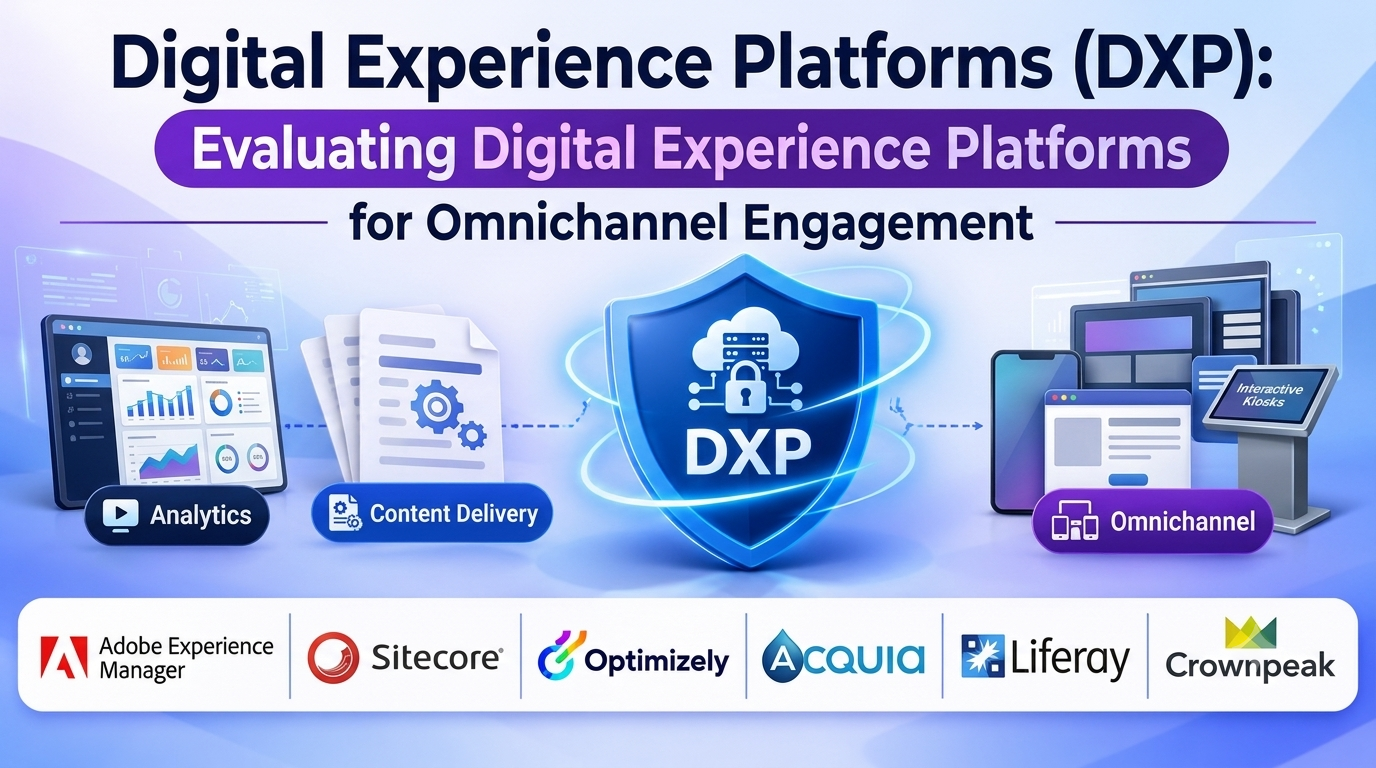
Managing a corporate website no longer means simply updating text on static pages or publishing blog posts through a traditional content management system. Modern enterprises interact with customers across an intricate web of digital touchpoints—including personalized web portals, mobile applications, interactive kiosks, customer service chats, and targeted marketing campaigns. When customer data and content delivery mechanisms remain trapped in disconnected silos, user experiences become fragmented and disjointed.
Transitioning from basic website management to a digital experience platform (DXP) addresses this challenge. A DXP unifies content delivery, customer data tracking, personalization engines, and analytics into a cohesive architecture, empowering organizations to orchestrate seamless, personalized experiences across every digital channel.
The Architectural Evolution from CMS to DXP
Understanding what distinguishes a digital experience platform from a traditional content management system requires examining how enterprise technology stacks have matured:
- Traditional CMS Focus: Built primarily to create, manage, and publish web pages using a monolithic database and coupled frontend template.
- DXP Architecture Focus: Designed as an open, integrated suite of software products that shares customer data, manages unified content repositories, and orchestrates personalized interactions across multiple channels via robust APIs.
- Composable vs. All-in-One Suites: Modern DXP strategies span two distinct models—composable DXPs that allow enterprises to assemble best-of-breed microservices via APIs, and all-in-one suite DXPs that offer pre-integrated enterprise modules.
Leading Digital Experience Platforms Compared
1. Adobe Experience Manager (AEM)
Adobe Experience Manager stands as the premier enterprise DXP, combining powerful content management with world-class digital asset management (DAM) and deep integration across the Adobe Experience Cloud.
- Primary Use Case: Global enterprise marketing, high-volume digital asset management, and highly personalized multi-channel customer experiences.
- Key Differentiators: Industry-leading digital asset management capabilities; seamless integration with Adobe Analytics and Target; advanced component-based visual editing.
- Limitations: Very high total cost of ownership; complex implementation timeline requiring specialized developer resources.
- Best Suited For: Global enterprises and massive brands prioritizing rich media management and deep marketing cloud integration.
2. Sitecore Experience Platform
Sitecore provides a robust enterprise DXP focused heavily on advanced customer data analytics, automated personalization, and multi-channel marketing orchestration.
- Primary Use Case: Data-driven personalized web experiences, enterprise ecommerce integration, and comprehensive customer journey tracking.
- Key Differentiators: Powerful analytics and marketing automation engine; robust enterprise personalization framework; flexible cloud deployment options (Sitecore Managed Cloud).
- Limitations: Steep learning curve for administrators; requires significant infrastructure planning and ongoing maintenance.
- Best Suited For: Large B2C and B2B enterprises driven by data-backed personalization and complex marketing automation campaigns.
3. Optimizely (formerly Episerver)
Optimizely offers a streamlined, agile DXP that blends powerful content management capabilities with built-in experimentation, A/B testing, and commerce features.
- Primary Use Case: Experimentation-driven digital marketing, rapid campaign deployment, and integrated digital commerce.
- Key Differentiators: Native A/B testing and experimentation tools embedded directly into the content workflow; intuitive marketer-friendly interface; strong headless API flexibility.
- Limitations: Advanced enterprise customization can require specialized developer expertise.
- Best Suited For: Marketing-forward enterprises and ecommerce brands focused on continuous optimization and experimentation.
4. Acquia (Drupal Cloud)
Acquia builds upon the power of open-source Drupal to deliver an enterprise-grade DXP focused on security, flexibility, and cloud-native orchestration.
- Primary Use Case: Secure government portals, higher education websites, and media organizations managing complex open-source infrastructures.
- Key Differentiators: Built on open-source Drupal eliminating proprietary vendor lock-in; robust enterprise security and multi-site management; excellent API extensibility.
- Limitations: Administrative workflows can feel more technical compared to heavily polished proprietary SaaS platforms.
- Best Suited For: Organizations committed to open-source flexibility who need enterprise-grade cloud hosting and security governance.
5. Liferay DXP
Liferay serves as a leading enterprise DXP tailored specifically for building secure customer portals, employee intranets, and connected business applications.
- Primary Use Case: Enterprise customer portals, supplier extranets, and robust identity-managed internal workspaces.
- Key Differentiators: Exceptional user management and role-based access control; strong integration capabilities with legacy enterprise systems (ERP, CRM); modular OSGi-based architecture.
- Limitations: User interface leans heavily toward enterprise application development rather than flashy marketing web design.
- Best Suited For: IT-driven enterprises building complex authenticated portals, intranets, and B2B self-service hubs.
6. Crownpeak DXM
Crownpeak offers a cloud-first, SaaS-based DXP designed for rapid deployment, strict data governance, and streamlined enterprise compliance management.
- Primary Use Case: Secure multi-site corporate web management, digital governance, and privacy compliance tracking.
- Key Differentiators: Pure SaaS delivery model eliminating on-premises server maintenance; built-in quality assurance and global privacy compliance monitoring.
- Limitations: Less customizable for deeply bespoke enterprise application logic compared to open-source alternatives.
- Best Suited For: Regulated enterprises and global brands seeking secure, cloud-native web management with robust compliance tooling.
Feature Comparison Matrix
| Product | Primary Focus | Deployment Model | Integration Specialization | Significant Advantage | Important Limitation |
| Adobe Experience Manager | Global Media & Brand Marketing | Cloud (Adobe Experience Cloud) | Adobe Marketing Ecosystem | Superior digital asset management and personalization | Very high total cost of ownership and complexity |
| Sitecore Experience Platform | Data-Driven Personalization | Cloud / Hybrid | Enterprise Marketing & CRM | Advanced customer journey tracking and analytics | Steep implementation learning curve |
| Optimizely | Experimentation & Marketing Agility | Cloud (SaaS) | Analytics & Ecommerce | Built-in A/B testing and continuous optimization | Advanced setups require developer support |
| Acquia | Open-Source Enterprise Security | Cloud (Acquia Cloud) | Open-Source Drupal Ecosystem | Zero proprietary vendor lock-in and high flexibility | Administrative interface requires technical skill |
| Liferay DXP | Secure Portals & Intranets | On-Prem / Cloud / Hybrid | Enterprise ERP & CRM Systems | Outstanding user role management and portal security | Geared more toward portals than creative marketing sites |
| Crownpeak DXM | Secure Cloud Governance | Cloud (SaaS) | Privacy & Compliance Tools | Rapid SaaS deployment with built-in compliance checks | Less flexible for custom application development |
Evaluating Technical and Operational Trade-Offs
Deploying a digital experience platform requires weighing substantial financial and operational commitments against long-term business goals:
- Suite vs. Composable Architecture: All-in-one DXP suites provide pre-integrated tools but can introduce software bloat and high licensing fees for features you may not use. Composable DXPs allow you to select best-of-breed microservices via APIs, but demand greater internal engineering coordination to maintain.
- Total Cost of Ownership (TCO): DXP software licensing represents only part of the investment. Organizations must account for implementation partner fees, ongoing developer training, cloud infrastructure costs, and third-party integration maintenance.
- Organizational Readiness: A DXP bridges marketing, IT, and customer service departments. If these internal teams operate in rigid silos, rolling out a unified platform will stall until cross-functional governance and workflows are established.
Making Your Decision
The optimal digital experience platform aligns directly with your organization’s digital maturity and primary engagement goals. If your brand relies heavily on rich media management and global marketing campaigns, an enterprise cloud marketing suite provides unmatched creative and analytical power. Organizations focused on building secure, authenticated customer portals and employee intranets will find maximum value in robust portal-centric platforms. Enterprises seeking rapid deployment with strict privacy governance benefit greatly from cloud-first SaaS solutions. Evaluate your integration landscape, internal technical resources, and long-term personalization strategy before committing to a digital experience platform.
