Introduction
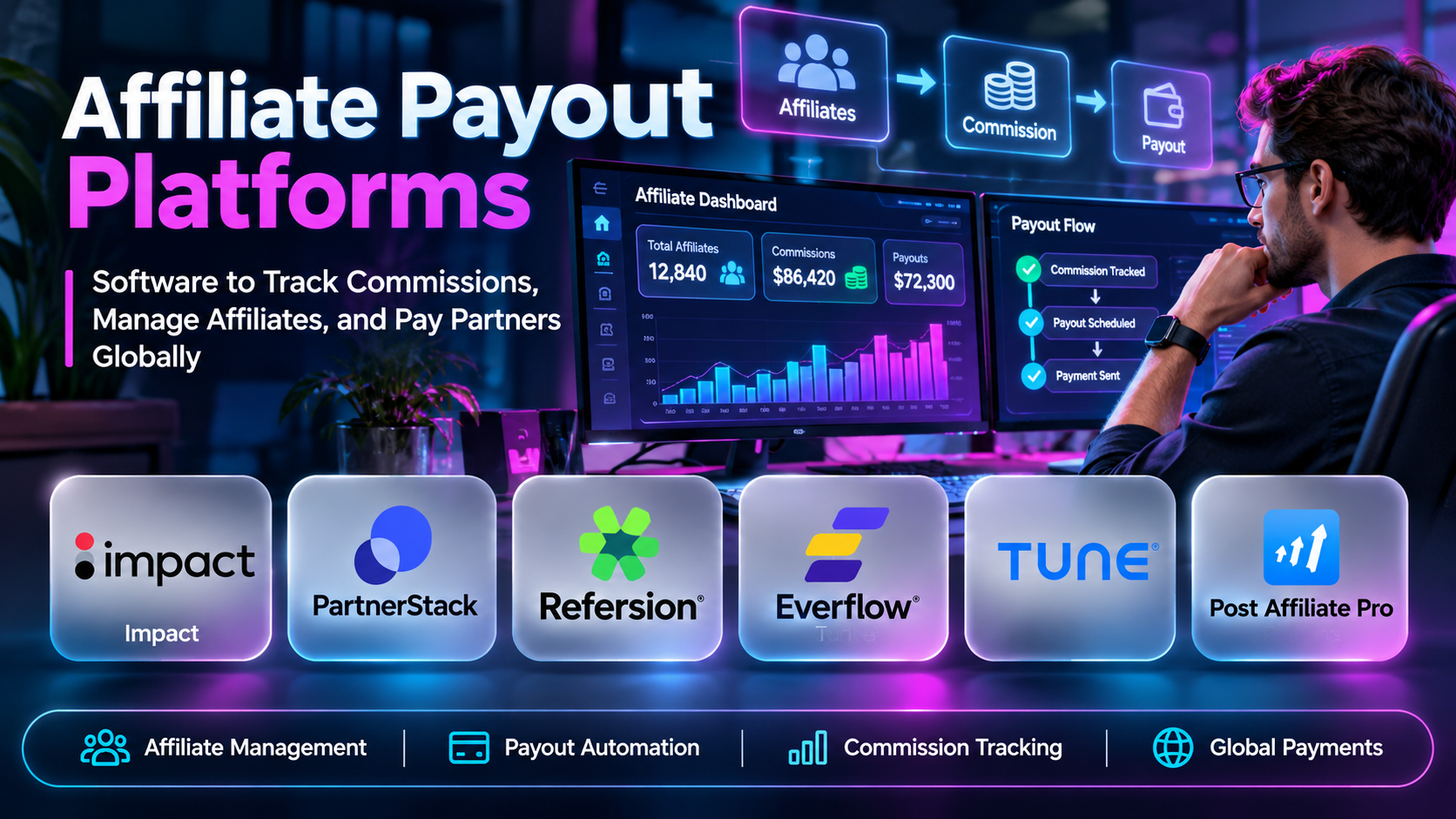
Influencer affiliate platforms help businesses collaborate with content creators who promote products and earn commissions from qualifying sales or customer actions. These platforms are used across e-commerce, beauty, fashion, technology, lifestyle, digital services, and other industries that rely on creator-driven customer acquisition.
Traditional influencer affiliate management often involves spreadsheets, direct messages, manually distributed discount codes, and separate payment records. As creator programs grow, these methods make it difficult to attribute sales, verify commissions, compare performance, and maintain consistent communication.
Modern influencer affiliate platforms combine creator discovery, affiliate links, discount codes, conversion attribution, automated commission calculations, campaign analytics, and payment administration. Some also support product gifting, content approvals, customer relationship management, and integrations with e-commerce or subscription billing systems.
Choosing the right platform matters because influencer marketing and affiliate marketing measure performance differently. A creator may generate substantial brand awareness without immediate purchases, while another may produce measurable sales through a smaller but highly engaged audience.
A small skincare business may prioritize affordable creator onboarding, discount codes, and Shopify integration. A multinational retailer may need advanced creator discovery, cross-channel attribution, approval workflows, international payments, and detailed campaign reporting.
This guide examines ten influencer affiliate platforms, including their technical capabilities, practical benefits, limitations, and ideal applications. It also provides comparison tables, recommendations for different users, a seven-step implementation example, and sixteen frequently asked questions.
What Is an Influencer Affiliate Platform?
An influencer affiliate platform is software that helps businesses manage performance-based partnerships with social media creators, bloggers, video publishers, and other online personalities. It connects creator promotional activity with measurable outcomes such as purchases, registrations, qualified leads, or subscriptions.
Most platforms use unique affiliate links, discount codes, tracking identifiers, or integrated conversion events to associate customer activity with individual creators. Businesses then apply agreed commission rules and determine which conversions qualify for compensation.
Consider a beauty retailer collaborating with twenty skincare creators to promote a new moisturizer. Each creator receives a unique discount code and tracking link, and the platform records eligible purchases before calculating the commissions owed.
This process reduces manual campaign administration and helps marketers understand which partnerships contribute to revenue. It also creates a more transparent relationship between creator performance, compensation, and the business’s customer acquisition objectives.
Common applications of influencer affiliate platforms include:
- Fashion and Apparel: Clothing brands recruit creators to demonstrate products and share trackable shopping links. Teams measure sales, average order values, and commissions associated with each creator.
- Beauty and Cosmetics: Skincare companies coordinate product gifting, tutorials, and affiliate discount campaigns. Marketing teams compare creator engagement with verified purchases and customer retention.
- Consumer Electronics: Technology brands collaborate with reviewers who explain product features and demonstrate real-world use. Affiliate platforms connect qualifying sales with individual reviews and promotional campaigns.
- Fitness and Wellness: Equipment and wellness brands work with instructors and content creators to introduce products. Teams track eligible purchases while reviewing advertising disclosures and product claims.
- Software and Digital Products: Software vendors compensate creators for paid subscriptions or eligible registrations. Businesses can evaluate customer acquisition costs and recurring revenue associated with creator referrals.
- Food and Beverage: Consumer brands collaborate with recipe creators and lifestyle publishers. Teams measure product purchases and campaign performance across participating creators.
- Travel and Hospitality: Travel companies reward creators for qualifying bookings and reservations. Commission approval can account for cancellations and refund policies.
- Education and Online Learning: Course providers collaborate with educators and subject specialists who introduce learning products. Affiliate systems track paid enrollments and calculate approved commissions.
Top 10 Influencer Affiliate Platforms
1. impact.com
Short Description
impact.com is a partnership management platform that supports affiliate marketing, creator partnerships, and other performance-based business relationships. Its broader partnership ecosystem helps organizations manage creator recruitment, campaign performance, commission rules, and related financial workflows.
The platform is particularly relevant to established brands, marketing agencies, and enterprises managing multiple types of partnerships. Teams can coordinate creator relationships alongside conventional affiliate publishers and other commercial partners.
A significant advantage is the connection between partnership management and measurable customer acquisition outcomes. Businesses can structure compensation around eligible conversions while maintaining broader visibility into partner activity.
impact.com also provides integration and reporting capabilities for complex marketing environments. Its suitability depends on the organization’s partnership structure, technical requirements, available resources, and commercial agreement.
Key Features
- Creator and Partner Discovery: Supports identifying potential partners for marketing programs. Teams can evaluate candidates according to relevant campaign requirements and available audience information.
- Partnership Management: Organizes relationships with creators, affiliates, and other promotional partners. Centralized records help teams maintain consistent campaign terms and communication.
- Affiliate Tracking: Associates eligible conversions with participating partners. This supports commission attribution and performance measurement.
- Commission Configuration: Enables businesses to establish compensation rules for qualifying outcomes. Different campaigns or partners can use different approved commercial arrangements.
- Campaign Management: Supports structured partnership activities and promotional programs. Teams can coordinate campaign objectives, participation requirements, and performance monitoring.
- Payment Workflows: Supports financial administration associated with partner compensation. Businesses should confirm supported settlement methods and regional payment arrangements.
- Performance Analytics: Provides reporting on partner-generated outcomes and campaign activity. Marketers can compare acquisition efficiency across partnerships.
- Integration Capabilities: Connects partnership data with supported marketing and business systems. Technical validation helps maintain consistent conversion records.
- Program Controls: Supports structured administration of partner activity and eligibility. Clear internal policies remain important for preventing invalid commission payments.
Benefits
- Combines creator and affiliate partnership management.
- Supports complex commission structures.
- Helps organize partner recruitment.
- Improves conversion attribution.
- Provides detailed performance visibility.
- Reduces fragmented campaign administration.
- Supports enterprise partnership operations.
Pros
- Comprehensive partnership management functionality.
- Suitable for multiple partner types.
- Detailed conversion tracking.
- Configurable compensation structures.
- Enterprise integration capabilities.
- Broad performance reporting.
Cons
- May be complex for small creator programs.
- Commercial pricing requires evaluation.
- Implementation may involve technical resources.
- Advanced features can require specialist training.
- Payment availability depends on program arrangements.
Use Cases
- Enterprise Creator Program: Manage hundreds of creators promoting consumer products. Track eligible purchases and commission liabilities.
- Affiliate and Influencer Integration: Coordinate creators and conventional affiliates within a broader partnership strategy. Compare acquisition outcomes across partner types.
- International Campaign: Organize partnerships across multiple markets. Review regional tracking, payment, and disclosure requirements.
- Software Creator Partnerships: Compensate creators for eligible paid subscriptions. Compare partner-generated recurring revenue.
- Retail Campaign Optimization: Evaluate which creator relationships generate profitable sales. Adjust commission policies using verified performance.
- Agency Partnership Management: Coordinate creator and affiliate relationships across approved client campaigns. Maintain separate reporting for each program.
Best For
- Enterprise marketing teams.
- Established e-commerce brands.
- Performance marketing agencies.
- Partnership managers.
- International consumer businesses.
- Companies managing multiple partner categories.
2. GRIN
Short Description
GRIN is a creator management platform designed to help consumer brands organize influencer marketing relationships. It provides tools for creator discovery, relationship management, campaign coordination, and performance measurement.
The platform is particularly relevant to direct-to-consumer brands that collaborate with creators over multiple campaigns. Marketing teams can manage outreach, product seeding, campaign deliverables, and creator relationships through a centralized workflow.
A major advantage is its emphasis on creator relationship management rather than treating influencers only as individual advertising placements. This can support long-term ambassador programs where creators repeatedly introduce products to their audiences.
GRIN also offers commerce-oriented integrations and campaign administration capabilities. Businesses should verify the current availability of affiliate tracking, commission management, and payment functionality under their selected arrangements.
Key Features
- Creator Discovery: Helps brands identify creators who may match campaign requirements. Teams can evaluate relevance, content style, and available audience information.
- Relationship Management: Maintains records of creator communications and collaboration history. This reduces dependence on disconnected email threads and spreadsheets.
- Campaign Workflows: Organizes creator assignments and promotional activities. Teams can monitor campaign participation and deliverable progress.
- Product Seeding: Supports workflows for providing products to creators. This is useful when creators need samples before producing demonstrations or reviews.
- Affiliate Links and Codes: Supports performance-oriented creator campaigns through available tracking functionality. Businesses can connect eligible purchases with participating creators.
- Content Management: Helps teams organize creator-generated campaign assets. Clear usage permissions remain necessary before republishing content.
- Commerce Integrations: Connects with supported e-commerce systems. Accurate order and customer data are important for measuring sales.
- Performance Reporting: Provides information about creator campaigns and related outcomes. Marketers can compare engagement and attributable revenue.
Benefits
- Centralizes creator relationships.
- Simplifies campaign coordination.
- Supports product gifting workflows.
- Helps organize creator-generated content.
- Connects influencer activity with commerce.
- Improves collaboration visibility.
- Supports long-term ambassador programs.
Pros
- Strong creator relationship management focus.
- Relevant to direct-to-consumer brands.
- Product seeding functionality.
- Campaign coordination capabilities.
- Commerce integration opportunities.
- Useful for ongoing creator partnerships.
Cons
- May be expensive for small businesses.
- Affiliate functionality must be evaluated against specific needs.
- Requires ongoing creator relationship management.
- Integration setup can require technical coordination.
- Campaign performance depends on accurate tracking.
Use Cases
- Beauty Brand Ambassador Program: Recruit skincare creators for recurring product campaigns. Track participation and eligible sales.
- Fashion Product Seeding: Send new clothing collections to selected creators. Organize product deliveries and campaign content.
- Consumer Product Launch: Coordinate multiple creator promotions around a new product. Measure engagement and attributed purchases.
- Long-Term Partnerships: Maintain relationships with creators across several campaigns. Compare performance over time.
- Creator Content Library: Organize approved promotional assets for internal use. Track permissions before repurposing content.
- E-commerce Affiliate Campaign: Assign creator codes or links through supported workflows. Review qualifying purchases before approving commissions.
Best For
- Direct-to-consumer brands.
- Influencer relationship managers.
- Beauty and fashion retailers.
- Ambassador program teams.
- Creator marketing departments.
- Brands managing product gifting.
3. Upfluence
Short Description
Upfluence is an influencer marketing platform that supports creator discovery, relationship management, campaign coordination, and performance measurement. Its capabilities are relevant to brands seeking to combine influencer marketing with measurable commerce outcomes.
The platform serves e-commerce businesses, consumer brands, and agencies managing creator partnerships. Teams can identify potential collaborators, coordinate outreach, and evaluate promotional performance.
A notable advantage is its emphasis on connecting creator marketing activity with business outcomes. This is useful for brands that want to compare influencer relationships using both audience relevance and attributed sales.
Upfluence also supports integrations and workflows associated with creator and affiliate marketing. Businesses should evaluate the specific commerce connections, payment options, and campaign capabilities available to them.
Key Features
- Influencer Discovery: Helps marketers identify creators across supported channels. Teams can shortlist candidates based on audience and content relevance.
- Audience Analysis: Provides information useful for evaluating creator audiences. Marketers can assess whether a creator’s followers align with target customers.
- Creator Outreach: Supports contacting and organizing potential partners. Structured outreach helps reduce duplicated communication.
- Campaign Management: Organizes influencer collaborations and campaign activity. Teams can monitor assignments and progress.
- Affiliate Tracking: Supports performance-based creator marketing workflows. Businesses can evaluate qualifying conversions associated with participating creators.
- E-commerce Integrations: Connects with supported commerce systems. This helps relate creator activity to customer purchase data.
- Performance Reporting: Provides campaign and creator performance information. Teams can compare engagement with commercial outcomes.
- Relationship Management: Maintains information about creator collaborations. This supports repeated campaigns and ongoing partnerships.
Benefits
- Supports creator discovery and evaluation.
- Helps organize outreach.
- Connects creator campaigns with commerce data.
- Improves campaign reporting.
- Reduces fragmented relationship management.
- Supports affiliate-oriented campaigns.
- Helps evaluate creator performance.
Pros
- Influencer discovery capabilities.
- Audience analysis functionality.
- Commerce-focused workflows.
- Creator relationship management.
- Campaign reporting.
- Suitable for established brands.
Cons
- Commercial pricing may exceed smaller budgets.
- Advanced features require training.
- Audience estimates may not perfectly represent actual buyers.
- Integration compatibility requires verification.
- Conversion attribution can be affected by customer behavior across devices.
Use Cases
- Creator Recruitment: Identify creators with relevant audiences. Compare candidates before initiating outreach.
- E-commerce Campaign: Promote products through creator partnerships. Measure eligible sales using available tracking methods.
- Brand Ambassador Program: Maintain recurring creator relationships. Monitor performance across campaigns.
- Agency Research: Evaluate creators for client campaigns. Organize candidate information and campaign results.
- Product Launch: Coordinate creator promotions around a release. Track participation and attributed conversions.
- Customer-to-Creator Program: Identify suitable existing customers for potential advocacy partnerships. Evaluate their relevance before offering collaboration terms.
Best For
- E-commerce marketing teams.
- Influencer agencies.
- Consumer brands.
- Creator recruitment specialists.
- Performance marketers.
- Ambassador program managers.
4. Aspire
Short Description
Aspire is an influencer marketing platform focused on creator partnerships, community building, and campaign management. It supports brands seeking to organize creator relationships and measure the outcomes of promotional collaborations.
The platform is relevant to consumer brands and marketing teams operating ongoing influencer programs. Organizations can coordinate creator recruitment, campaign activities, content workflows, and performance evaluation.
Its distinguishing strength is its emphasis on creator communities and longer-term relationships. This approach can help brands build repeat collaborations instead of relying exclusively on isolated sponsored posts.
Aspire also supports commerce and affiliate-oriented creator workflows. Businesses should confirm current integration availability, commission capabilities, and payment arrangements before selecting the platform.
Key Features
- Creator Discovery: Helps brands identify potential collaborators. Teams can evaluate creator relevance and campaign suitability.
- Creator Relationship Management: Organizes communication and collaboration history. This supports consistent long-term engagement.
- Campaign Coordination: Tracks creator participation and deliverables. Teams can monitor progress against campaign requirements.
- Affiliate Programs: Supports performance-oriented creator partnerships through available functionality. Businesses can associate eligible customer activity with creators.
- Product Gifting: Helps coordinate product distribution for creator campaigns. Brands can track which participants require samples.
- Content Workflows: Organizes creator-generated assets and campaign materials. Usage rights should be reviewed before content reuse.
- Commerce Connections: Integrates with supported commerce environments. Teams can use available sales data to assess creator contributions.
- Analytics: Provides information about creator campaigns and related performance. Marketers can compare engagement and attributable outcomes.
Benefits
- Supports long-term creator relationships.
- Helps coordinate influencer campaigns.
- Organizes product gifting.
- Connects creator programs with performance measurement.
- Improves content workflow visibility.
- Supports community-oriented marketing.
- Reduces manual campaign administration.
Pros
- Creator community orientation.
- Campaign management capabilities.
- Product gifting support.
- Affiliate marketing relevance.
- Relationship management tools.
- Suitable for recurring collaborations.
Cons
- May be excessive for occasional creator campaigns.
- Commercial pricing requires evaluation.
- Affiliate payment features need verification.
- Complex workflows can require onboarding time.
- Creator performance depends on campaign execution quality.
Use Cases
- Brand Ambassador Community: Maintain recurring relationships with selected creators. Track participation and performance over time.
- Beauty Product Launch: Coordinate product samples and tutorials. Measure eligible customer purchases.
- Fashion Creator Campaign: Organize creators promoting seasonal collections. Compare engagement and conversion results.
- Content Collaboration: Collect approved creator-generated assets. Maintain records of content permissions.
- Performance-Based Partnerships: Offer agreed commissions for qualifying sales. Review conversion eligibility before payment.
- Consumer Community Growth: Build ongoing relationships with relevant creators. Evaluate whether repeated collaborations improve customer acquisition.
Best For
- Consumer brand marketers.
- Creator community managers.
- Ambassador program operators.
- E-commerce brands.
- Influencer marketing teams.
- Businesses emphasizing long-term creator relationships.
5. CreatorIQ
Short Description
CreatorIQ is an enterprise creator marketing platform designed to help organizations manage influencer programs at scale. It supports creator discovery, campaign operations, relationship management, measurement, and related enterprise workflows.
The platform is relevant to large consumer brands, multinational marketing teams, and agencies with complex creator programs. These organizations often need structured approvals, consistent reporting, and coordination across multiple markets.
A major advantage is its enterprise-oriented approach to creator marketing operations and data. Businesses can use structured workflows to coordinate teams, evaluate partnerships, and manage campaigns across departments.
CreatorIQ is not exclusively an affiliate payout platform, so businesses should evaluate its performance tracking and payment capabilities against their specific requirements. Integration and commercial arrangements may influence whether additional affiliate or payout software is necessary.
Key Features
- Creator Discovery: Supports identifying potential creators for campaigns. Teams can evaluate available audience and content information.
- Creator Intelligence: Provides data for assessing creator suitability. Marketers can compare relevant audience and performance indicators.
- Campaign Management: Organizes creator activities and deliverables. This helps teams coordinate large programs.
- Relationship Management: Maintains creator collaboration information. Organizations can reduce fragmented communication records.
- Enterprise Workflows: Supports structured program administration. This is useful when multiple teams participate in approvals and reporting.
- Content Management: Helps organize creator-generated promotional assets. Teams should maintain appropriate content usage permissions.
- Performance Measurement: Provides campaign analytics and reporting. Businesses can evaluate outcomes across creators and campaigns.
- Integration Capabilities: Connects with supported enterprise systems. Technical compatibility should be assessed during procurement.
Benefits
- Supports enterprise creator operations.
- Improves cross-team coordination.
- Centralizes creator relationship data.
- Provides structured campaign reporting.
- Helps evaluate creator suitability.
- Supports complex marketing programs.
- Reduces fragmented campaign administration.
Pros
- Enterprise-scale program orientation.
- Creator intelligence capabilities.
- Structured campaign workflows.
- Cross-team coordination support.
- Performance reporting.
- Suitable for large marketing organizations.
Cons
- May exceed small-business requirements.
- Commercial costs require detailed evaluation.
- Implementation can involve multiple departments.
- Dedicated affiliate payouts may require additional systems.
- Data-driven workflows require staff training.
Use Cases
- Global Creator Program: Coordinate creator campaigns across multiple regions. Maintain consistent reporting and approval processes.
- Enterprise Product Launch: Manage creators promoting a major product release. Monitor deliverables and campaign performance.
- Agency Operations: Coordinate creator programs for multiple clients. Keep campaign data and reporting organized.
- Brand Governance: Apply internal review procedures to creator collaborations. Maintain records of approved campaign activity.
- Creator Portfolio Analysis: Compare creator relationships across campaigns. Identify partnerships suitable for continued investment.
- Affiliate Program Integration: Combine creator campaign data with approved performance-based compensation workflows. Verify whether additional tracking or payment systems are required.
Best For
- Enterprise marketing departments.
- Multinational brands.
- Large influencer agencies.
- Creator operations teams.
- Marketing analytics specialists.
- Organizations requiring structured governance.
6. Awin
Short Description
Awin is an affiliate marketing network and technology provider that connects advertisers with publishers and other promotional partners. Its ecosystem includes affiliate marketing relationships that may involve content creators and influencers.
The platform is relevant to retailers, travel businesses, digital services, and other advertisers seeking performance-based partner acquisition. Brands can establish affiliate programs and work with eligible publishers and creators.
Its principal advantage is its established affiliate network environment. Businesses can manage tracked promotional relationships without building an entirely independent publisher infrastructure.
Awin’s primary orientation is affiliate marketing rather than comprehensive influencer campaign production. Brands should assess whether its creator discovery, content management, and commission workflows match their requirements.
Key Features
- Publisher Network: Provides access to an established affiliate partnership environment. Advertisers can evaluate potential promotional partners.
- Affiliate Tracking: Records eligible customer conversions associated with publishers. This supports commission attribution.
- Commission Management: Supports compensation structures for approved affiliate activity. Advertisers can establish program conditions.
- Publisher Relationships: Helps advertisers coordinate participating affiliates. This supports ongoing partner communication.
- Performance Reporting: Provides information about affiliate-generated outcomes. Teams can evaluate commercial results.
- Promotional Tracking: Supports affiliate links and relevant campaign tracking methods. Businesses should verify available attribution options.
- Payment Administration: Supports affiliate commission settlement within applicable network arrangements. Advertisers should review current payment terms.
- Program Management: Provides tools for administering affiliate relationships. This helps organizations maintain consistent program operations.
Benefits
- Connects advertisers with affiliate publishers.
- Supports performance-based creator partnerships.
- Provides conversion tracking.
- Helps administer commissions.
- Offers an established affiliate environment.
- Improves publisher performance reporting.
- Reduces manual partner administration.
Pros
- Established affiliate network.
- Performance marketing specialization.
- Publisher partnership opportunities.
- Commission tracking.
- Program reporting.
- Relevant to multiple industries.
Cons
- Less specialized in creator content production.
- Network participation involves commercial terms.
- Influencer relationship workflows may require other tools.
- Attribution depends on tracking implementation.
- Partner recruitment still requires evaluation and management.
Use Cases
- Retail Affiliate Campaign: Work with content publishers promoting products. Pay commissions on eligible purchases.
- Creator Commerce: Partner with creators who publish trackable shopping recommendations. Compare attributed revenue.
- Travel Partnerships: Reward publishers for qualifying bookings. Apply cancellation conditions.
- Content Affiliate Program: Collaborate with bloggers and editorial publishers. Track approved conversions.
- International Affiliate Marketing: Manage eligible partnerships across supported markets. Review local compliance requirements.
- Publisher Recruitment: Expand an existing affiliate program through network relationships. Monitor partner quality and performance.
Best For
- Retail affiliate managers.
- Performance marketing teams.
- Content publisher partnerships.
- Established advertisers.
- E-commerce businesses.
- Brands prioritizing affiliate networks.
7. Refersion
Short Description
Refersion is an affiliate marketing platform focused on e-commerce businesses. It helps merchants manage affiliates, track eligible purchases, calculate commissions, and organize partner activity.
The platform is relevant to online retailers collaborating with influencers who promote products through links or discount codes. Merchants can connect creator-driven purchases with affiliate commission records.
Its distinguishing strength is its emphasis on commerce-based affiliate tracking. Businesses can evaluate creator partnerships using actual purchase outcomes rather than relying only on social engagement metrics.
Refersion also supports affiliate onboarding and partner-facing workflows. Merchants should verify current storefront integrations, payout capabilities, and commission options before implementation.
Key Features
- Affiliate Registration: Supports onboarding creators and other partners. Businesses can organize applications and approvals.
- Referral Links: Associates qualifying purchases with affiliate identifiers. This supports creator commission attribution.
- Coupon Tracking: Supports promotional code attribution where configured. Merchants should test interactions between codes and referral links.
- Commission Rules: Allows businesses to establish eligible earnings. Different creators or product categories may have different arrangements.
- Affiliate Dashboard: Gives partners visibility into relevant performance information. This reduces manual reporting requests.
- Commerce Integrations: Connects with supported online storefronts. Accurate order synchronization is important for reliable tracking.
- Performance Reporting: Provides sales and commission information. Teams can compare creator contributions.
- Payout Administration: Supports workflows related to approved affiliate earnings. Actual payment methods should be confirmed.
Benefits
- Simplifies commerce affiliate tracking.
- Supports creator discount campaigns.
- Automates commission calculations.
- Organizes affiliate onboarding.
- Provides partner performance visibility.
- Connects commissions with purchases.
- Reduces spreadsheet dependence.
Pros
- E-commerce specialization.
- Affiliate onboarding workflows.
- Purchase-based tracking.
- Coupon attribution capabilities.
- Commission management.
- Partner reporting.
Cons
- Limited emphasis on influencer content management.
- Not a complete creator discovery platform.
- Advanced payment needs may require integrations.
- Attribution requires accurate commerce events.
- Complex enterprise programs may need broader tools.
Use Cases
- Skincare Creator Program: Assign creators unique promotional codes. Track eligible product purchases.
- Fashion Affiliate Campaign: Reward creators for attributed sales. Compare performance across collections.
- Product Review Partnerships: Provide trackable links to product reviewers. Calculate commissions from approved purchases.
- Micro-Influencer Program: Manage smaller creators with performance-based compensation. Monitor conversion quality.
- Seasonal Promotion: Create creator-specific offers during sales periods. Review margin impact.
- Retail Ambassador Program: Maintain recurring affiliate relationships with brand advocates. Provide earnings visibility.
Best For
- Shopify-oriented merchants.
- Direct-to-consumer brands.
- Retail affiliate managers.
- Micro-influencer programs.
- Product-focused creators.
- Growing e-commerce businesses.
8. Social Snowball
Short Description
Social Snowball is an affiliate and referral marketing platform designed primarily for e-commerce businesses. It focuses on helping merchants organize affiliate relationships and encourage customer-driven promotional activity.
The platform is relevant to Shopify merchants and consumer brands that want customers or creators to become affiliates. Teams can manage promotional links, commission incentives, and eligible sales activity.
A notable advantage is its emphasis on turning customer relationships into affiliate participation. This can help businesses build ambassador programs using people already familiar with their products.
Social Snowball also supports automation and commerce-oriented affiliate workflows. Businesses should verify its current integration compatibility, commission features, and payment arrangements.
Key Features
- Affiliate Program Management: Organizes participating affiliates and their promotional activity. Merchants can maintain structured commission policies.
- Customer-to-Affiliate Workflows: Supports turning eligible customers into program participants. This can reduce friction in ambassador recruitment.
- Referral Links: Provides trackable links associated with affiliates. These support attribution of eligible purchases.
- Discount Codes: Supports creator-specific promotional incentives where available. Merchants can evaluate the effect on conversion rates.
- Commission Tracking: Calculates earnings associated with qualifying sales. Teams can review approved balances.
- Commerce Integration: Connects with supported e-commerce systems. Order and refund data must remain accurate.
- Automation: Reduces repetitive affiliate administration. Businesses can coordinate selected program tasks through configured workflows.
- Reporting: Provides information about affiliate performance and sales. Merchants can compare partners and campaigns.
Benefits
- Encourages customer-driven affiliate growth.
- Simplifies ambassador onboarding.
- Supports purchase-based commissions.
- Reduces manual program administration.
- Provides creator performance visibility.
- Connects affiliate activity with commerce.
- Helps expand advocacy programs.
Pros
- E-commerce-oriented functionality.
- Customer-to-affiliate approach.
- Affiliate automation capabilities.
- Purchase attribution.
- Creator and ambassador relevance.
- Suitable for growing online stores.
Cons
- Strongest fit is supported commerce environments.
- Not a comprehensive influencer discovery database.
- Advanced customization may require integration work.
- Commission costs need profitability monitoring.
- Large enterprise requirements may exceed standard workflows.
Use Cases
- Customer Ambassador Program: Invite satisfied buyers to become affiliates. Reward eligible purchases generated through their recommendations.
- Micro-Influencer Recruitment: Onboard smaller creators as performance partners. Track their attributed sales.
- Beauty E-commerce: Encourage product advocates to share referral codes. Monitor conversion outcomes.
- Fashion Commerce: Reward creators promoting seasonal collections. Compare performance by product category.
- Community Marketing: Turn engaged customers into brand advocates. Apply consistent commission rules.
- Automated Affiliate Growth: Reduce manual onboarding tasks for eligible participants. Maintain approval controls.
Best For
- Shopify merchants.
- Direct-to-consumer brands.
- Customer ambassador programs.
- Micro-influencer managers.
- E-commerce growth teams.
- Community-driven retailers.
9. Shopify Collabs
Short Description
Shopify Collabs is a creator collaboration and affiliate marketing solution associated with the Shopify commerce ecosystem. It is intended to help eligible Shopify merchants work with creators and manage performance-based promotional relationships.
The platform is relevant to online stores that want creator marketing connected closely to their existing storefront. Merchants can evaluate available creator collaboration tools, affiliate links, discount codes, and commission administration.
Its principal advantage is its relationship with Shopify commerce operations. This can simplify the connection between creator promotions and eligible store purchases.
However, Shopify has changed the availability and scope of Collabs features over time. Merchants should verify current access, eligibility, supported functionality, and payout arrangements before planning a program around it.
Key Features
- Creator Collaboration: Supports eligible merchant and creator partnership workflows. Available functionality depends on current product access.
- Affiliate Links: Associates promotional activity with participating creators. Merchants can use eligible sales data to evaluate conversions.
- Discount Codes: Supports creator-specific promotional offers where available. Businesses should verify how code attribution interacts with other discounts.
- Commission Administration: Provides functionality related to performance-based creator earnings. Current payout processes and eligibility rules require confirmation.
- Shopify Integration: Operates within the Shopify commerce environment. This can reduce the need for separate order-data connections.
- Creator Management: Helps merchants organize eligible creator relationships. Teams should maintain clear collaboration terms.
- Performance Reporting: Supports evaluation of creator-driven commerce activity. Merchants can compare attributed purchases.
- Commerce Workflows: Connects promotional programs with supported storefront processes. Accurate order and refund records remain important.
Benefits
- Connects creator marketing with Shopify commerce.
- Supports performance-based partnerships.
- Reduces disconnected order tracking.
- Helps organize creator collaborations.
- Supports promotional codes and links.
- Provides commerce-related performance information.
- Simplifies selected merchant workflows.
Pros
- Native Shopify ecosystem relationship.
- Commerce-oriented creator tracking.
- Relevant to Shopify merchants.
- Affiliate campaign capabilities.
- Potentially reduced integration complexity.
- Suitable for store-centered creator programs.
Cons
- Availability and eligibility may change.
- Limited suitability outside Shopify.
- Feature scope requires current verification.
- Advanced influencer operations may need other software.
- Payment and program restrictions depend on current policies.
Use Cases
- Shopify Creator Campaign: Collaborate with eligible creators promoting store products. Track qualifying purchases.
- Product Launch: Distribute creator-specific promotional offers. Compare attributed sales.
- Fashion Retail: Work with creators producing product demonstrations. Measure eligible order activity.
- Beauty Commerce: Encourage creator tutorials and shopping recommendations. Review conversions.
- Small Merchant Program: Evaluate available Shopify creator functionality before purchasing separate software. Confirm whether the current feature set meets operational needs.
- Affiliate Reporting: Compare creator-generated orders with overall store sales. Reconcile approved commissions.
Best For
- Eligible Shopify merchants.
- Small e-commerce brands.
- Shopify marketing teams.
- Product-focused creators.
- Store-centered affiliate programs.
- Businesses seeking commerce integration.
10. LTK
Short Description
LTK is a creator commerce platform associated with creator-led shopping and brand partnerships. It connects creators, consumers, and brands through shopping-oriented content and commercial relationships.
The platform is especially relevant to fashion, beauty, home, and lifestyle brands that collaborate with shopping-focused creators. Brands can evaluate creator partnerships within an environment oriented toward product discovery and purchase activity.
Its distinguishing strength is its creator commerce ecosystem rather than conventional standalone affiliate tracking alone. This makes it relevant to brands seeking creators whose audiences actively engage with product recommendations.
LTK also provides brand partnership and measurement opportunities under applicable commercial arrangements. Businesses should verify current participation requirements, campaign functionality, and commission arrangements.
Key Features
- Creator Commerce Network: Connects shopping-oriented creators with commercial opportunities. Brands can evaluate creator suitability for product-focused campaigns.
- Shoppable Content: Supports content experiences associated with product recommendations. This can connect audience interest with shopping activity.
- Brand Partnerships: Provides opportunities for brands to collaborate with eligible creators. Teams can structure campaigns around commercial objectives.
- Creator Discovery: Supports identifying creators within the available ecosystem. Brands should assess audience relevance and content quality.
- Affiliate Commerce: Supports performance-based shopping relationships. Compensation arrangements depend on the applicable program.
- Campaign Measurement: Provides relevant performance information for supported partnerships. Businesses can evaluate commercial outcomes.
- Product Promotion: Helps creators present products to interested audiences. Clear product information supports informed purchasing.
- Creator Relationship Opportunities: Supports recurring brand and creator collaborations. Long-term partnerships can improve content consistency.
Benefits
- Connects brands with shopping-focused creators.
- Supports product discovery.
- Encourages creator-led commerce.
- Provides partnership opportunities.
- Helps measure shopping-related outcomes.
- Supports lifestyle and retail campaigns.
- Combines content and commercial activity.
Pros
- Strong shopping-oriented creator ecosystem.
- Relevant to fashion and lifestyle brands.
- Creator commerce specialization.
- Product recommendation workflows.
- Brand collaboration opportunities.
- Suitable for established consumer categories.
Cons
- Less suitable for unrelated B2B products.
- Participation and access requirements may apply.
- Not a general-purpose affiliate payout processor.
- Campaign costs and terms require evaluation.
- Brand results depend on creator and audience fit.
Use Cases
- Fashion Creator Campaign: Collaborate with creators presenting seasonal outfits. Evaluate shopping-related performance.
- Beauty Product Recommendations: Work with creators demonstrating cosmetics. Track relevant commercial outcomes.
- Home Decor Promotion: Partner with creators showcasing interior products. Connect product discovery with shopping activity.
- Lifestyle Brand Collaboration: Develop creator campaigns around everyday product use. Evaluate audience engagement and eligible sales.
- Retail Product Launch: Introduce new collections through shopping-focused creators. Compare campaign results.
- Creator Commerce Strategy: Build recurring partnerships with suitable creators. Monitor performance across product categories.
Best For
- Fashion brands.
- Beauty retailers.
- Lifestyle marketers.
- Home product companies.
- Shopping-focused creator programs.
- Consumer commerce teams.
Comparison Table: Top 10 Influencer Affiliate Platforms
| Tool Name | Best For | Platform(s) | Standout Feature | Pricing |
|---|---|---|---|---|
| impact.com | Enterprise partnerships | Web, integrations | Combined creator and affiliate management | Custom pricing |
| GRIN | DTC creator relationships | Web, commerce integrations | Creator relationship management | Custom pricing |
| Upfluence | Influencer discovery and commerce | Web, integrations | Creator discovery and sales workflows | Custom pricing |
| Aspire | Creator communities | Web, commerce integrations | Ambassador and campaign management | Custom pricing |
| CreatorIQ | Enterprise creator operations | Web, integrations | Enterprise creator intelligence | Custom pricing |
| Awin | Affiliate publisher networks | Web, integrations | Established affiliate ecosystem | Network-based commercial terms |
| Refersion | E-commerce affiliate programs | Web, commerce integrations | Purchase and commission tracking | Paid subscription |
| Social Snowball | Shopify ambassador programs | Web, commerce integrations | Customer-to-affiliate automation | Paid subscription |
| Shopify Collabs | Eligible Shopify stores | Shopify ecosystem | Store-integrated creator workflows | Availability and terms vary |
| LTK | Lifestyle creator commerce | Web, creator commerce ecosystem | Shoppable creator content | Commercial terms vary |
Note: Pricing, licensing, supported platforms, and available features can change. Check the official vendor websites for current plans, educational access, and regional availability.
Which Influencer Affiliate Platform Tool Is Right for You?
Influencer affiliate platforms differ in whether they prioritize creator discovery, relationship management, affiliate tracking, or financial compensation. Selecting software based only on the number of creators in its database can result in a poor fit for the actual marketing workflow.
Businesses should first define their primary objective and the event that determines success. They should then compare creator recruitment requirements, e-commerce compatibility, attribution methods, commission rules, reporting, and total operating costs.
For Beginners: Refersion and Social Snowball
Refersion is relevant to merchants starting a purchase-based affiliate program. Its commerce orientation helps businesses connect affiliate activity with eligible orders.
Social Snowball is useful for merchants interested in turning existing customers into affiliates. This can be appropriate when a business already has engaged customers but limited creator recruitment resources.
Both require clear eligibility and commission policies. Choose Refersion if structured commerce affiliate tracking is the priority; choose Social Snowball if customer-to-ambassador growth is the main objective.
For Small E-commerce Businesses: Social Snowball and Shopify Collabs
Social Snowball is relevant to Shopify-oriented affiliate and ambassador programs. Its approach can support automated customer participation and performance-based compensation.
Shopify Collabs may be worth evaluating for eligible merchants who want creator workflows within the Shopify ecosystem. Current access and functionality should be verified before relying on it.
Small businesses should prioritize operational simplicity and reliable order tracking. Choose Social Snowball for dedicated affiliate automation; choose Shopify Collabs if its currently available functionality meets your store’s needs.
For Creator Discovery: Upfluence and GRIN
Upfluence supports creator research and audience evaluation. It is relevant when businesses need to identify creators beyond their existing customer or partner network.
GRIN emphasizes creator relationship management alongside discovery and campaign operations. This can be useful for brands that plan to collaborate with creators repeatedly.
Both require human evaluation of audience relevance and content quality. Choose Upfluence if creator research is the primary requirement; choose GRIN if managing ongoing creator relationships is equally important.
For Enterprise Teams: CreatorIQ and impact.com
CreatorIQ is relevant to large organizations coordinating sophisticated creator marketing programs. Its enterprise orientation supports structured operations and reporting.
impact.com is suitable for enterprises that want creator partnerships connected to broader affiliate and performance marketing activity. It can support multiple partner categories within a related management environment.
The choice depends on the program’s primary focus. Choose CreatorIQ for enterprise creator operations; choose impact.com for comprehensive partnership and performance management.
For Fashion and Beauty Brands: LTK and Aspire
LTK is relevant to brands collaborating with shopping-focused lifestyle creators. Its creator commerce environment aligns with product recommendation content.
Aspire is appropriate for brands seeking recurring creator partnerships and community-oriented campaigns. Its workflow emphasis supports relationship management and content coordination.
Both can contribute to consumer marketing but serve different operational priorities. Choose LTK for shopping-oriented creator commerce; choose Aspire for structured creator community programs.
For Affiliate Network Marketing: Awin and impact.com
Awin is suitable for advertisers seeking established affiliate publisher relationships. Its network model can support performance-based partnerships with content publishers and creators.
impact.com provides broader partnership management capabilities and configurable program workflows. This can be useful when a brand wants greater coordination across partner categories.
Businesses should evaluate recruitment, tracking, commercial terms, and reporting. Choose Awin for network-oriented affiliate marketing; choose impact.com for integrated partnership management.
For Direct-to-Consumer Brands: GRIN and Aspire
GRIN is relevant to direct-to-consumer brands managing product seeding and recurring creator relationships. Its workflow capabilities can support campaigns involving product demonstrations and content production.
Aspire is suitable for brands building creator communities and ambassador programs. It can help coordinate participation across repeated campaigns.
Both require clear content rights and performance measurement policies. Choose GRIN for creator relationship operations; choose Aspire for community-centered creator programs.
For Performance-Based Campaigns: Refersion and impact.com
Refersion is suitable for merchants whose main objective is attributing purchases to creators. Its commerce orientation can simplify commission calculation.
impact.com is relevant when performance-based partnerships involve more complex tracking, compensation, and program administration. It may suit organizations managing multiple partner categories.
Businesses should evaluate the complexity of their commission structures. Choose Refersion for straightforward e-commerce affiliate sales; choose impact.com for broader performance partnership requirements.
Best Influencer Affiliate Platforms for Different Users
| User Type | Recommended Software | Why? |
|---|---|---|
| Small Shopify merchant | Social Snowball | Customer-to-affiliate workflows |
| E-commerce affiliate manager | Refersion | Purchase-based commission tracking |
| Enterprise partnership team | impact.com | Broad partner management |
| Large creator marketing department | CreatorIQ | Enterprise creator operations |
| DTC brand manager | GRIN | Creator relationship management |
| Influencer recruitment specialist | Upfluence | Discovery and audience evaluation |
| Ambassador community manager | Aspire | Long-term creator collaboration |
| Affiliate network advertiser | Awin | Publisher partnership ecosystem |
| Eligible Shopify merchant | Shopify Collabs | Store-integrated creator workflows |
| Fashion and lifestyle brand | LTK | Shopping-oriented creator commerce |
Practical Example: Launching an Influencer Affiliate Campaign for a Skincare Brand
Consider a skincare company launching a moisturizer through twenty micro-influencers. The brand wants to offer each creator a 15% commission on eligible sales while providing referred customers with a 10% first-purchase discount.
GRIN, Upfluence, and Refersion are potential tools for different parts of this workflow. GRIN and Upfluence can support creator relationship operations, while Refersion is relevant to commerce-based affiliate tracking.
The brand’s objective is to generate profitable first-time customer purchases without paying commissions on refunded or fraudulent orders. It will measure creator performance using verified sales, commission expenses, and customer acquisition costs.
Step 1: Define Campaign Goals and Budget
Begin by identifying the campaign’s target audience, product margin, expected sales volume, and maximum acquisition cost. These factors determine whether the proposed commission and customer discount are financially sustainable.
For example, assume the moisturizer sells for $50 and has a contribution margin of $30 before promotional discounts and creator commissions. A 10% customer discount costs $5, while a 15% commission on the discounted $45 order equals $6.75 if the commission is calculated on net discounted revenue.
The remaining contribution before other campaign expenses would be $18.25 under these assumptions. The business should document the commission base, discount rules, and any additional fulfillment or platform costs.
Step 2: Identify Suitable Creators
Use GRIN or Upfluence to research creators whose content aligns with skincare education and product demonstrations. Evaluate audience relevance, content quality, engagement patterns, and previous commercial collaborations.
Prioritize creators with audiences likely to purchase the product rather than selecting candidates solely by follower count. A smaller creator with a relevant audience may produce better conversion results than a larger creator whose followers have little interest in skincare.
Create a shortlist containing creator handles, audience characteristics, proposed compensation, content requirements, and contact status. Review each candidate for brand suitability and potential disclosure concerns.
Step 3: Establish Partnership Agreements
Contact shortlisted creators with a clear explanation of the product, campaign objectives, commission terms, and expected content. Avoid promising earnings or performance outcomes that cannot be substantiated.
Specify the commission percentage, eligible products, attribution rules, payment schedule, and refund conditions. Also establish content approval requirements, intellectual property permissions, and applicable advertising disclosure obligations.
Maintain a written record of accepted terms before sending products or activating affiliate accounts. This reduces disputes about compensation and content usage.
Step 4: Configure Affiliate Tracking
Create a unique affiliate profile, tracking link, and promotional code for each approved creator. Configure the commission rule to apply only to eligible sales under the agreed calculation method.
Connect the affiliate platform to the supported e-commerce system and verify order synchronization. Test whether purchases, cancellations, refunds, and discount codes are recorded correctly.
Complete several test transactions using different creator links and codes. Confirm that commissions are attributed to the intended creator without duplicate credit.
Step 5: Prepare and Publish Campaign Content
Provide creators with accurate product information, usage guidance, campaign deadlines, and disclosure requirements. Allow creators to communicate in their own style while respecting the agreed content standards.
Review any required drafts for factual accuracy, prohibited claims, and compliance with the partnership agreement. Do not require creators to make misleading claims or conceal material commercial relationships.
Coordinate publication dates and verify that promotional links work after content goes live. Record each published asset and its associated creator identifier.
Step 6: Monitor Sales and Commission Eligibility
Review attributed orders, conversion rates, average order values, and commission balances during the campaign. Compare results across creators while accounting for differences in audience size and promotional activity.
Investigate unusual order patterns, repeated customer identities, and unexpectedly high refund rates. Hold questionable commissions until the transactions can be verified.
Provide creators with accurate performance information according to the program’s reporting capabilities. Clear reporting helps maintain trust and reduces payment disputes.
Step 7: Approve Payments and Evaluate Results
After the refund or validation period, generate a report of approved creator commissions. Reconcile the amounts against eligible order records and apply the agreed payment schedule.
Calculate total campaign expenses, including product samples, creator commissions, customer discounts, platform costs, and any fixed creator fees. Compare these expenses with contribution margin and the expected value of acquired customers.
Prepare a final campaign report identifying profitable partnerships and areas for improvement. Use the findings to determine which creators should be invited to future campaigns.
The completed workflow establishes a repeatable process for creator recruitment, campaign execution, conversion tracking, and financial settlement. It also provides evidence for deciding whether influencer affiliate marketing is commercially sustainable.
Frequently Asked Questions (FAQs)
1. What is an influencer affiliate platform?
An influencer affiliate platform helps businesses manage creator partnerships where compensation is connected to eligible customer actions. It may provide creator discovery, affiliate tracking, commission management, reporting, and payment workflows.
These platforms differ in their primary focus. Some emphasize influencer relationship management, while others specialize in purchase attribution or affiliate network administration.
2. Which influencer affiliate platform is best for beginners?
Refersion and Social Snowball are relevant to smaller e-commerce businesses starting performance-based creator programs. Eligible Shopify merchants may also evaluate the currently available Shopify Collabs functionality.
Beginners should prioritize reliable tracking and understandable commission rules. A simple program with ten well-matched creators can be easier to manage than a large campaign without clear performance controls.
3. Are free influencer affiliate platforms available?
Some commerce ecosystems provide limited or conditionally available creator collaboration tools. Shopify Collabs is one example whose current access and functionality should be checked.
Businesses can also operate small programs using manual discount codes and existing payment services. However, manual administration becomes difficult when creator numbers and transaction volumes increase.
4. How do influencer affiliate platforms differ from traditional influencer marketing tools?
Traditional influencer marketing tools often emphasize creator discovery, content coordination, audience reach, and engagement. Affiliate platforms emphasize measurable conversions and compensation associated with qualifying outcomes.
Many modern products combine these functions. Businesses should still determine whether their primary objective is brand awareness, attributable sales, or a combination of both.
5. Which platform is suitable for direct-to-consumer brands?
GRIN and Aspire are relevant to brands managing recurring creator relationships and content workflows. Refersion and Social Snowball are alternatives when commerce-based affiliate tracking is the main requirement.
The choice depends on whether creator management or commission administration consumes more operational effort. Businesses should also evaluate product gifting and storefront compatibility.
6. Which platform is suitable for fashion and beauty businesses?
LTK is relevant to shopping-oriented fashion, beauty, and lifestyle content. GRIN, Aspire, and Upfluence can support broader creator recruitment and campaign operations.
Fashion and beauty brands should evaluate creator audience relevance and content quality. They should also review product claims, advertising disclosures, and content usage permissions.
7. Can influencer affiliate platforms integrate with e-commerce software?
Many influencer affiliate platforms provide integrations with supported online storefronts. These connections can associate creator links or codes with eligible purchases.
Integration capabilities vary by platform and commerce system. Businesses should test attribution, refunds, taxes, discounts, and order status changes before launch.
8. What is the difference between CPA, CPS, and CPC?
Cost per acquisition (CPA) compensates a partner for a defined qualifying acquisition. Cost per sale (CPS) specifically relates compensation to eligible purchases, while cost per click (CPC) pays for qualifying traffic interactions.
These models create different incentives and financial risks. Purchase-based commissions generally connect compensation more directly to revenue, while click-based programs require strong traffic quality controls.
9. How does influencer affiliate attribution work?
Attribution begins when a creator shares a unique link, code, or other supported tracking identifier. The system uses its configured rules to associate qualifying customer activity with the creator.
Attribution may become complicated when customers use multiple devices or interact with several marketing channels. Businesses should document attribution windows and rules before commissions are earned.
10. Are fixed-fee or commission-based creator partnerships better?
Fixed-fee partnerships compensate creators for agreed deliverables regardless of immediate sales. Commission-based partnerships link compensation to eligible performance outcomes.
Hybrid agreements combine fixed compensation with performance incentives. The best approach depends on campaign objectives, creator expectations, and the business’s ability to measure conversions accurately.
11. Which platforms are useful for creative content teams?
GRIN, Aspire, and CreatorIQ are relevant to organizations coordinating creator content and campaign workflows. They provide different levels of relationship management, content organization, and operational structure.
Creative teams should evaluate content approval processes and usage rights alongside performance analytics. A creator asset should not be republished without appropriate permission.
12. Can influencer affiliate marketing work outside retail?
Yes, software, education, travel, and digital service businesses can use creator affiliate partnerships. The qualifying conversion may be a subscription, course purchase, booking, or approved lead.
The platform should support the business’s actual conversion model. Industries with advertising or compensation restrictions may require additional compliance review.
13. What technical requirements do influencer affiliate platforms have?
Most platforms provide browser-based administration interfaces and integrations with supported commerce or marketing systems. Some require tracking scripts, application programming interface connections, or billing data access.
Businesses should test mobile shopping experiences and cross-device attribution. They should also establish appropriate access controls for creator and customer information.
14. How should a business choose an influencer affiliate platform?
Start by defining the campaign objective, target audience, creator recruitment needs, and commission policy. Then compare discovery tools, tracking accuracy, commerce integrations, reporting, and total operating costs.
Test shortlisted platforms with a small campaign before expanding. Evaluate both creator experience and the accuracy of financial results.
15. How do influencer affiliate platforms differ from customer referral platforms?
Influencer affiliate platforms generally manage promotional relationships with creators who reach external audiences. Customer referral platforms primarily encourage existing customers to recommend products or services.
The categories overlap when customers become ambassadors or affiliates. However, influencer programs often require additional creator outreach, content coordination, and commercial agreements.
16. Which influencer affiliate platforms are suitable for enterprises?
CreatorIQ and impact.com are relevant to enterprises requiring structured creator or partnership operations. GRIN, Upfluence, and Aspire may also suit established brands depending on their workflow requirements.
Enterprise buyers should evaluate security, integration governance, reporting consistency, regional compliance, and total implementation costs. A controlled pilot can reveal operational limitations before a large deployment.
Final Thoughts
Influencer affiliate platforms help businesses connect creator partnerships with measurable commercial outcomes. They can reduce manual administration while improving visibility into creator performance, commission expenses, and customer acquisition.
impact.com is suitable for comprehensive partnership management, while GRIN emphasizes creator relationships and campaign operations. Upfluence supports creator discovery and commerce-oriented workflows, while Aspire focuses on creator communities and recurring collaborations.
CreatorIQ is relevant to enterprise creator operations, while Awin provides an established affiliate network environment. Refersion supports e-commerce affiliate tracking, and Social Snowball emphasizes customer-to-affiliate participation.
Shopify Collabs may be relevant to eligible merchants seeking integrated creator workflows, subject to current availability. LTK is particularly suited to shopping-oriented creator commerce in fashion, beauty, home, and lifestyle categories.
The best platform depends on campaign objectives, creator recruitment needs, tracking accuracy, budget, and operational resources. Businesses should test shortlisted solutions using realistic creator campaigns before committing to long-term contracts.
